You're showing a $2 million property. The sellers trusted you with their biggest asset. The buyers are evaluating whether you're worth their commission.
Now look down. What are you wearing?
Luxury clients expect luxury presentation. Not flashy—flashy is for reality TV. But polished, intentional, expensive without screaming about it. The kind of outfit that says "I belong in this house" before you open your mouth.
The Rule: Dress for Your Highest-Value Listing
There's no official dress code in real estate. You're an independent contractor. Nobody's checking your closet.
That's exactly why most agents get it wrong.
When you're new, you dress for comfort. When you're busy, you grab whatever's clean. When you're running between showings, you default to "good enough."
But here's what luxury clients notice: whether you look like you could live in the house you're selling.
If you're showing a $500K starter home in the suburbs, business casual works fine. Chinos and a blazer. Neat but not formal.
If you're showing a $3 million penthouse downtown, that same outfit signals "I'm out of my league here."
Dress for your highest-value listing. Even if your afternoon is mid-range showings, the morning client at the $2M property sets the standard for the day.
The Luxury Agent Uniform: Men
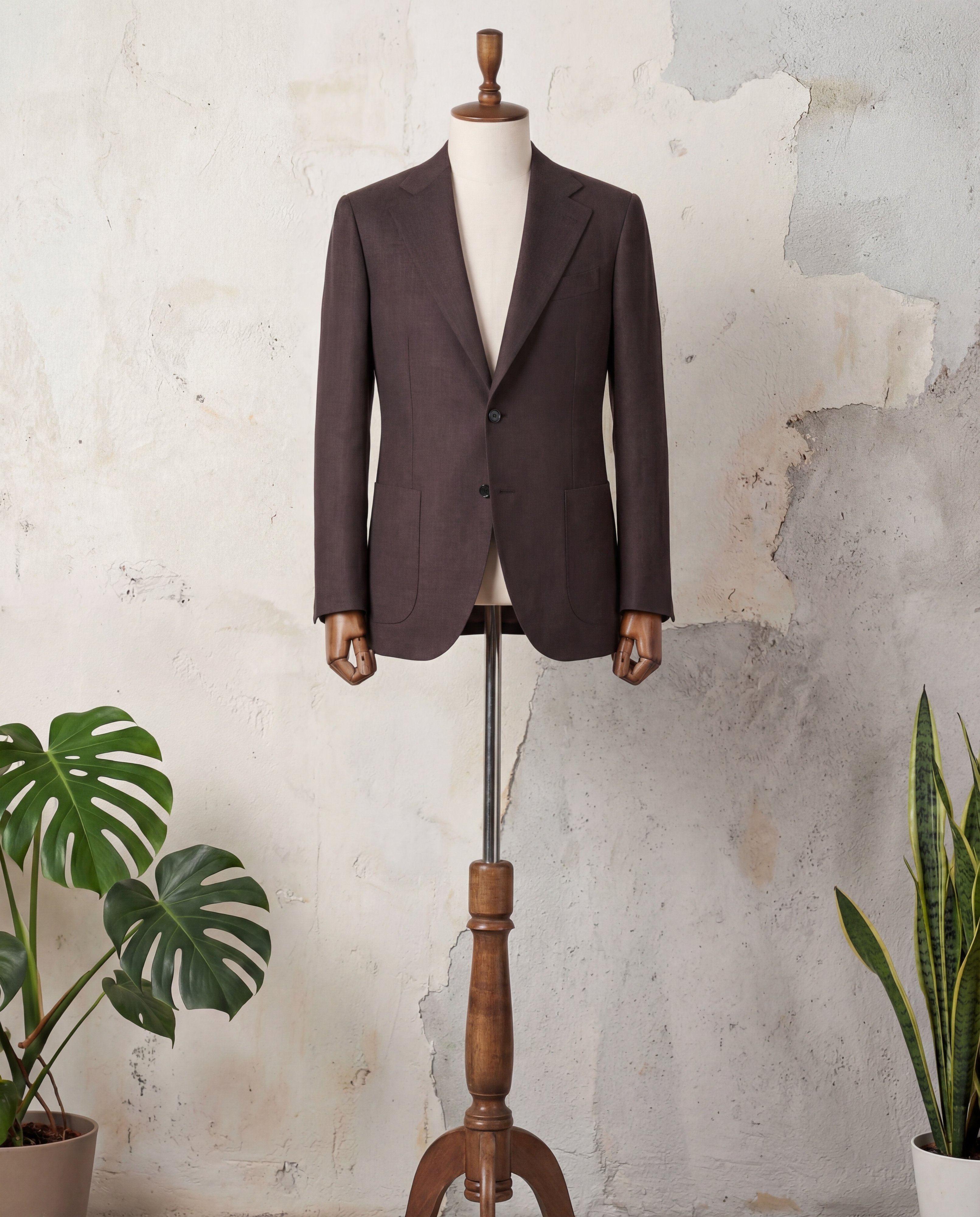
The Suit
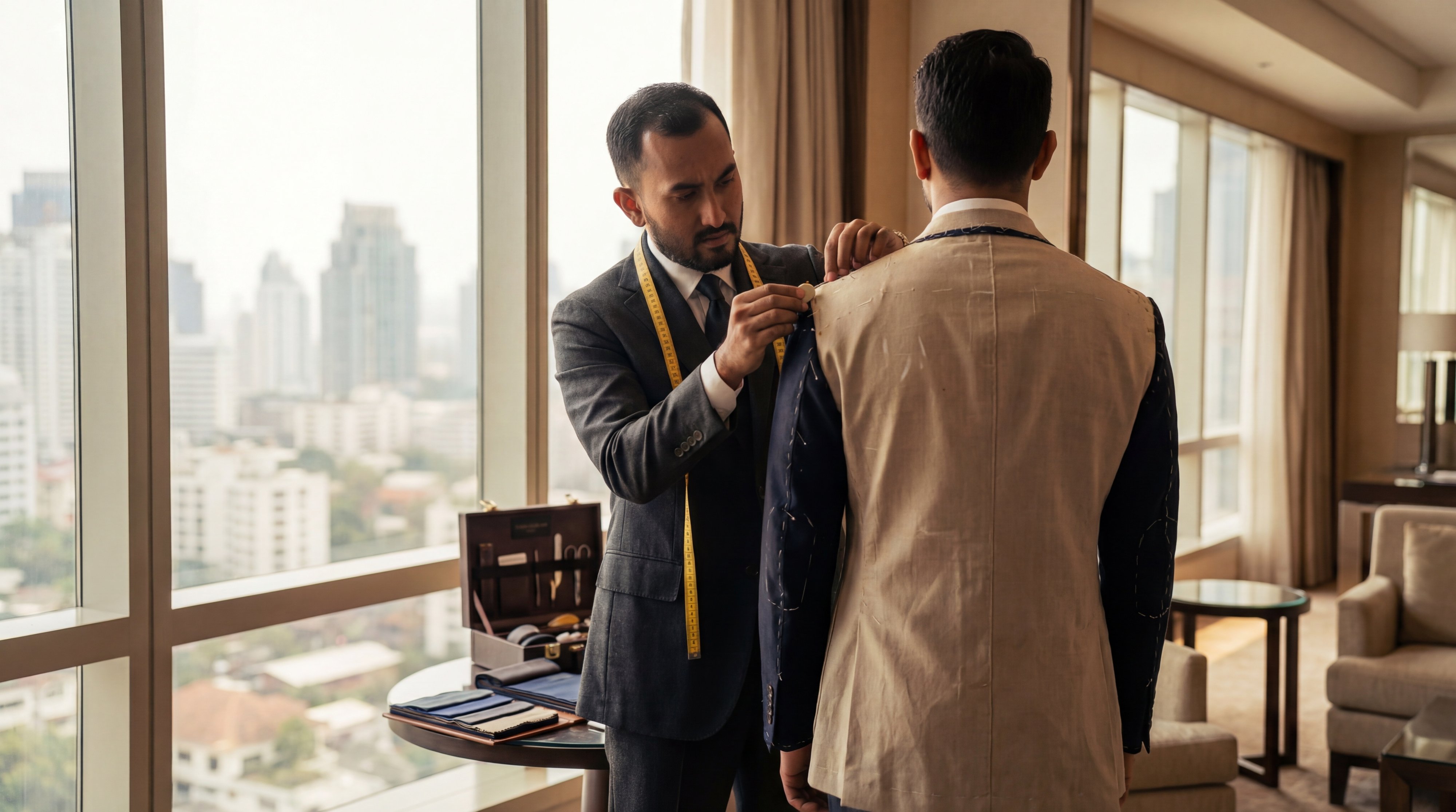
Tailored. Not off-the-rack-and-hoping-it-works. Actually tailored.
Luxury clients can tell the difference. They're wearing $5,000 suits themselves—or they married someone who does. They register fit quality without consciously thinking about it.
Colors: Navy, charcoal, medium grey. These are trust colors. They say "professional" without trying too hard.
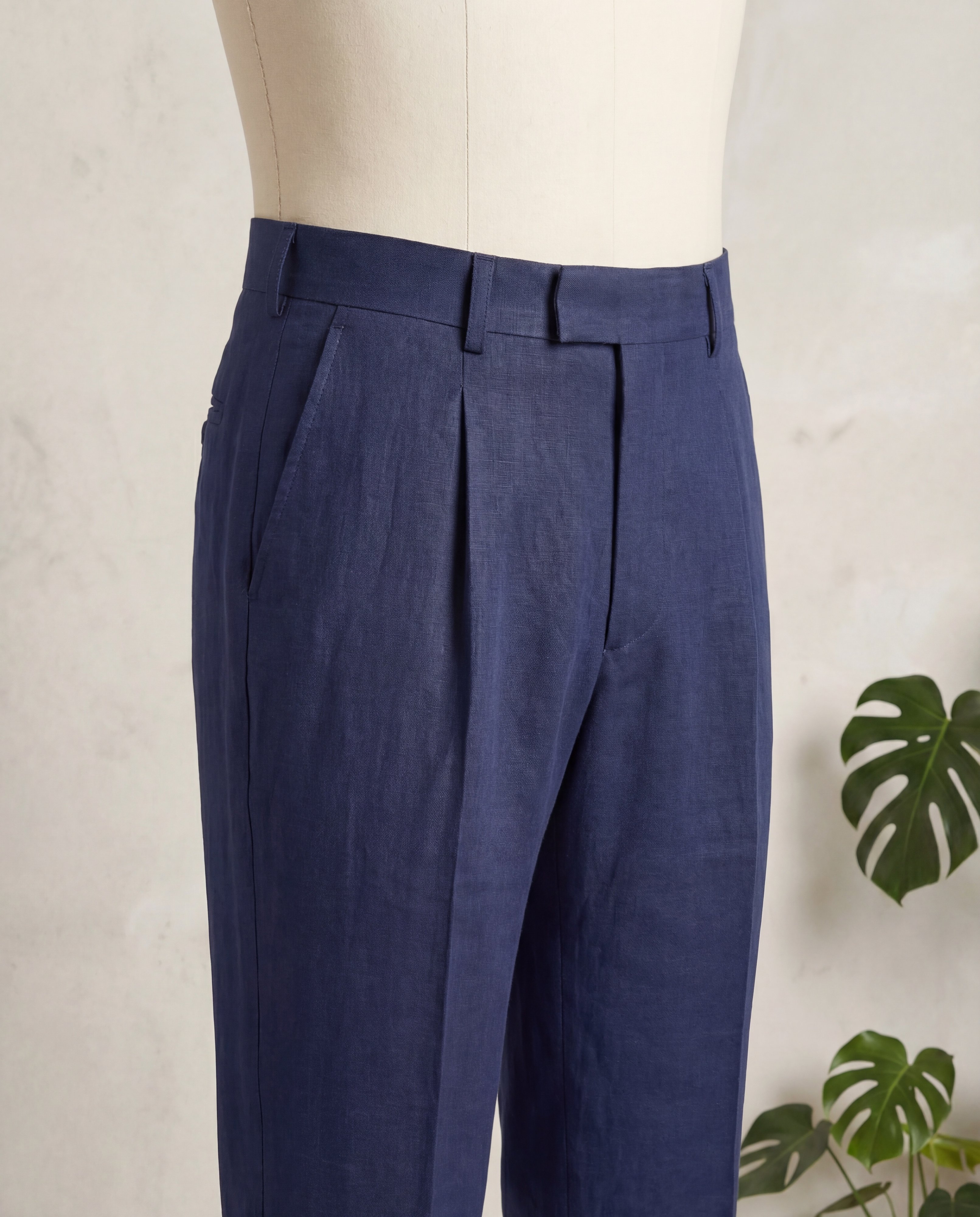
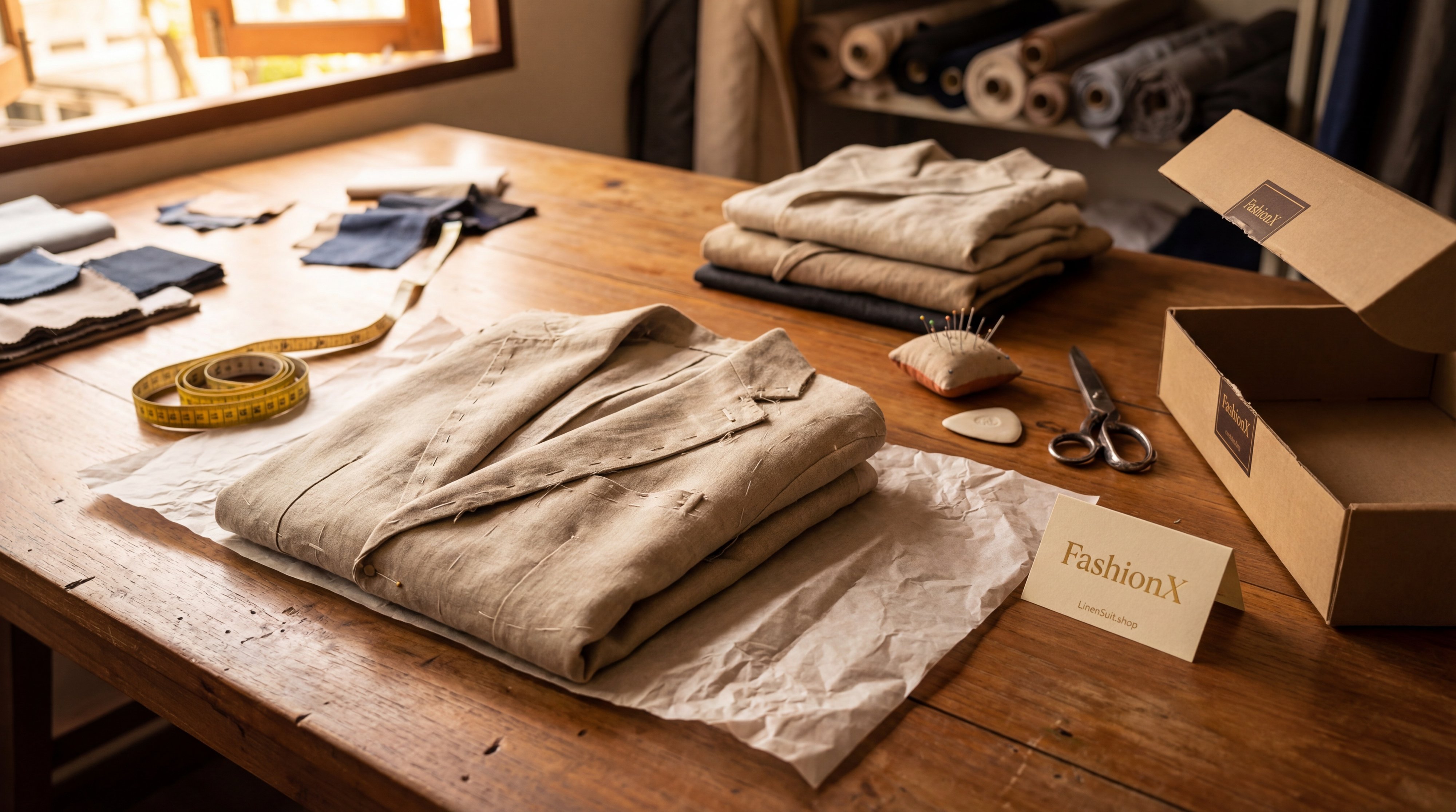
Fabric: Wool for most of the year. Linen for summer in hot markets (Miami, Phoenix, Dallas summers). You're in and out of cars, walking properties, standing in un-air-conditioned new construction. You need fabric that works.
The Details
- Shoes: Polished leather. Oxfords or quality loafers. No scuffs, ever.
- Watch: Subtle quality. Not a $20K flex piece (you're not trying to compete with clients), but not a plastic sports watch either.
- Accessories: Minimal. Wedding ring, simple watch, quality belt. That's it.
The goal isn't to be memorable for what you wore. The goal is to be remembered for expertise, while looking like you belong in the rooms you're selling.
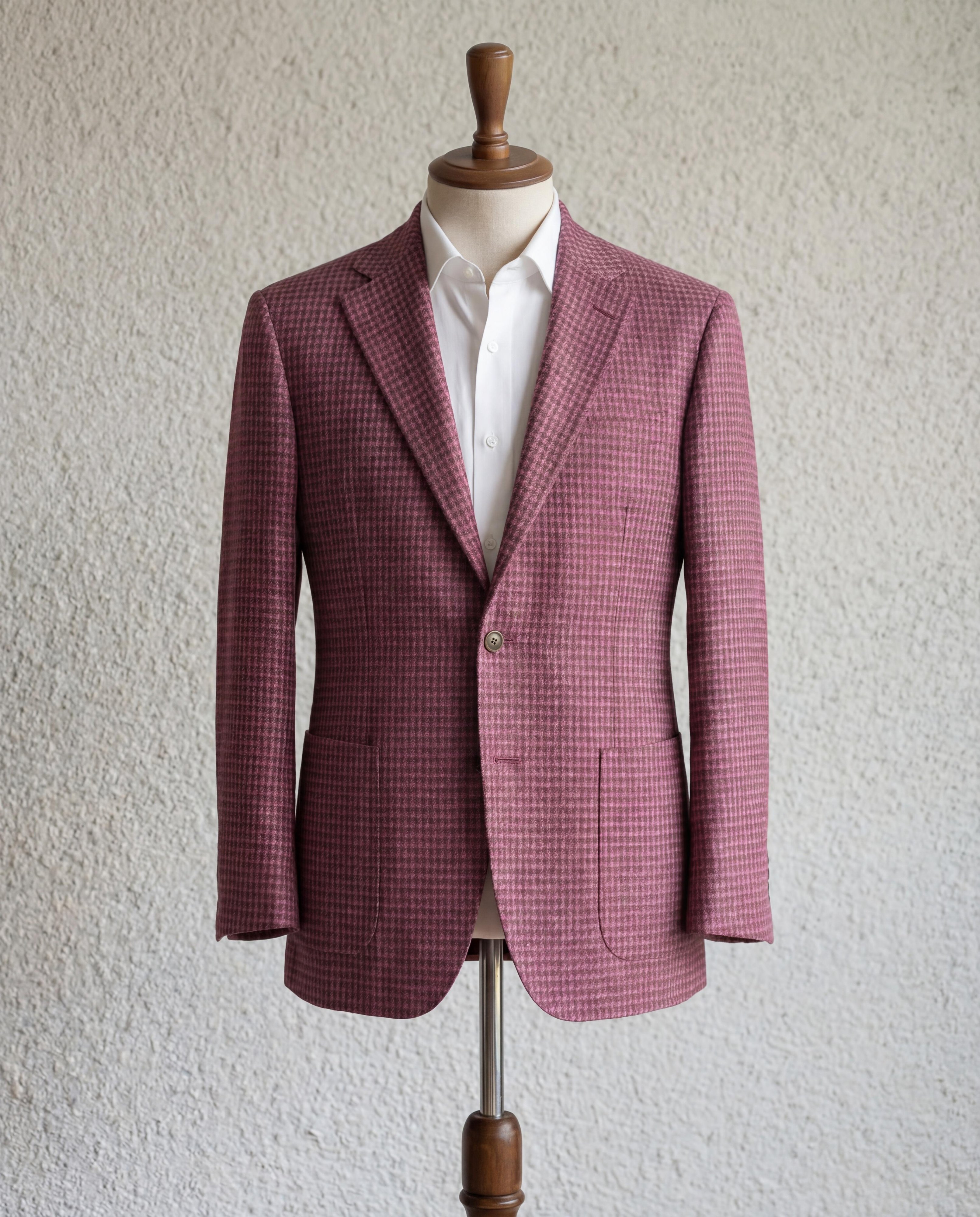
The Smart Casual Alternative: Tweed Blazers
Not every showing requires a full suit. Some luxury properties are vacation homes, ranches, waterfront estates where a suit would feel weirdly formal.
This is where a quality blazer works.
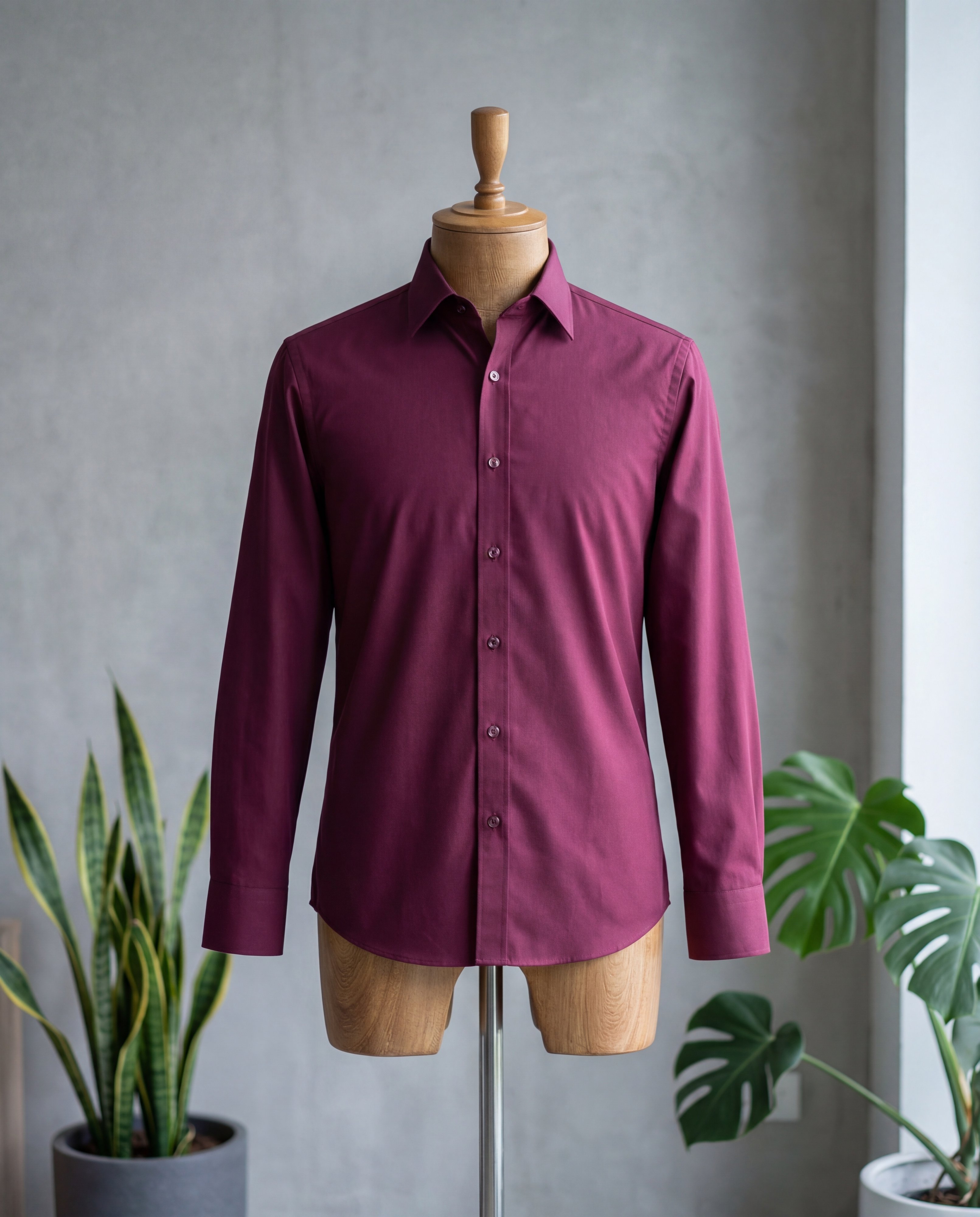
John & Taylor tweed over a dress shirt, no tie, tailored trousers. Still elevated. Still intentional. But appropriate for a lakehouse showing or a ranch property tour.
Know your market. Know your property. Adjust accordingly.
The ROI Calculation
Let's do the math that most agents skip.
Say you close one additional $2M listing this year because a seller picked you over a competitor who showed up looking less polished.
At 2.5% commission, that's $50,000.
A quality custom suit costs $650-800.
If professional presentation helps you win one extra listing per year—and it probably helps with more than one—the ROI is absurd. The suit pays for itself 75 times over.
This isn't vanity spending. It's business investment with measurable returns.
Building the Rotation
You can't wear the same suit every day. Clients notice. Other agents notice. Your dry cleaner notices.
The minimum rotation: 3 suits
- Navy — Your anchor. Works everywhere, photographs well, universally flattering.
- Charcoal — Second essential. Slightly more formal, great for evening client dinners.
- Light grey or tan — Summer option, outdoor properties, less formal listings.
Three suits, rotated properly with at least a day's rest between wears, will carry you through the year without visible wear.
See our full fabric options to plan your rotation.
Fit > Brand
Nobody who matters is checking your labels. What they're checking—consciously or not—is whether your clothes fit.
A $3,000 designer suit that gaps at the collar and pulls at the chest looks worse than a $650-800 custom suit built for your body. This is why most online suits don't fit—and why fit matters more than brand.
Luxury clients understand quality. They might not know the brand, but they know when something was made for you versus when you're wearing someone else's proportions.
This is where draft fitting matters. Before we cut your final fabric, we send a test garment. You try it on, tell us what needs adjusting, and we fix the pattern. The suit that arrives fits because we verified it would. And if something's still off? Our fit guarantee covers it.
For agents whose bodies don't match standard rack sizes—athletic build, tall and slim, broad shoulders with narrow waist—custom isn't a luxury. It's the only way to get a suit that actually fits.
The Little Things That Add Up
Your car: Clean inside and out. Clients will sit in it. Some will judge you by it.
Your briefcase: Leather or quality canvas. Not a backpack.
Your phone case: Minor detail, but cracked screens and ratty cases register subconsciously.
Your grooming: Fresh haircut, trimmed nails, minimal cologne. You're spending hours in close proximity with clients. Details matter.
None of this is about being superficial. It's about understanding that luxury real estate is a trust business. Clients are handing you the keys to their most valuable asset. Every signal you send either builds or undermines that trust.
Market Context Matters
Not every real estate market is the same.
Manhattan, Beverly Hills, Miami Beach: Suit and tie expected. High-end clients dressed to the nines. Match their energy.
Mountain resort towns, beach communities: Smart casual works better. Blazer, no tie, quality casual wear. A full suit feels like you flew in from somewhere else.
Commercial real estate: More formal than residential. Treat it like banking.
Read your market. Then dress one level above your typical client. Not so high you're intimidating. High enough that you're clearly a professional.
The Investment Mindset
Every other business expense you write off without questioning it. Desk fees, marketing, gas, client dinners.
Your wardrobe is just as much a business tool—probably more visible than anything else you spend on.
The difference between an $800 rack suit and a $650-800 custom suit isn't just the money. It's the fit, the longevity, and the impression.
One properly fitted suit, worn confidently, tells clients: "I take my work seriously. I'll take your listing seriously too."