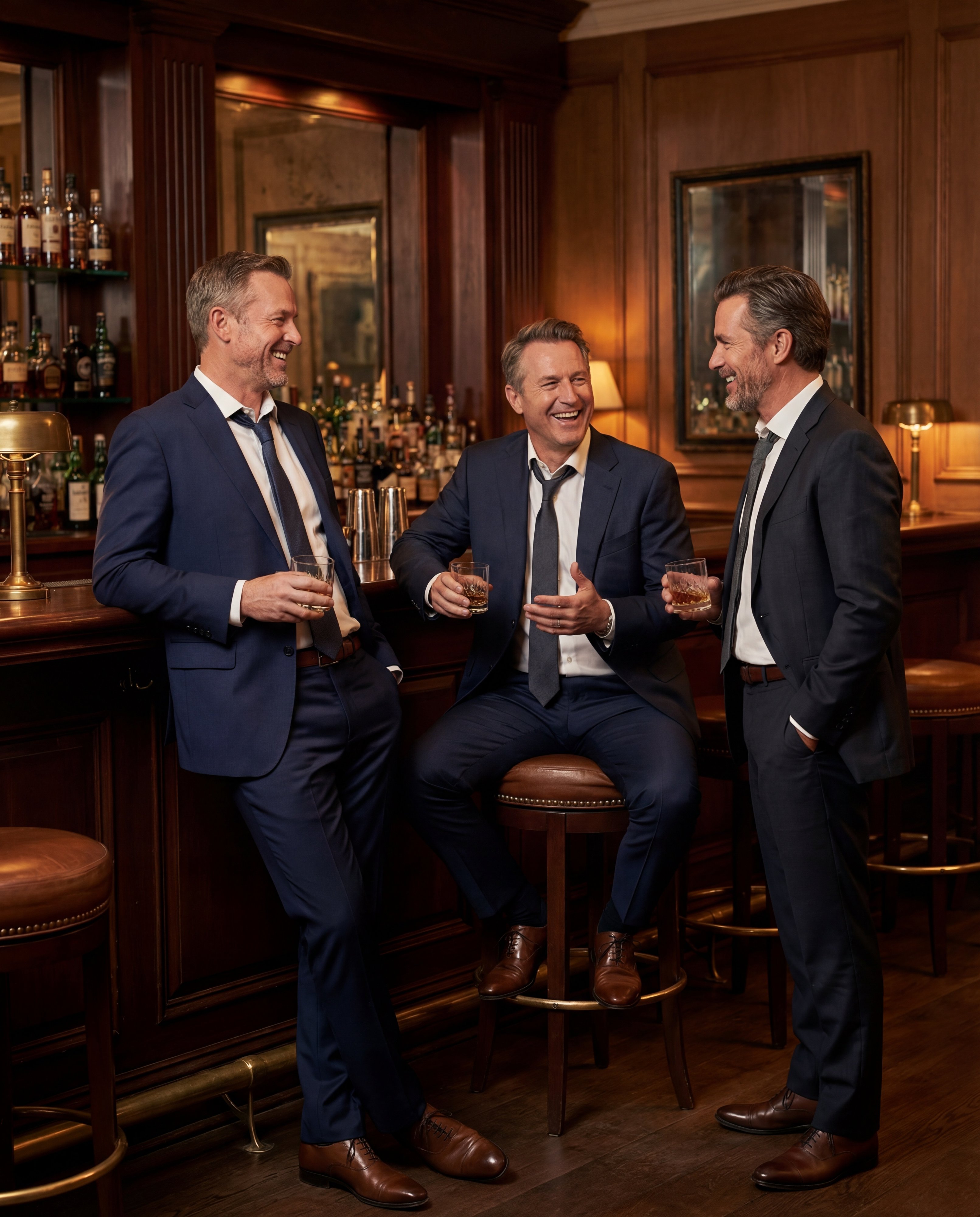
Washington DC is not San Francisco.
It's also not New York, where fashion gets playful in the creative industries. It's not Miami, where linen rules and color pops. DC has its own uniform, and it's deliberately understated.
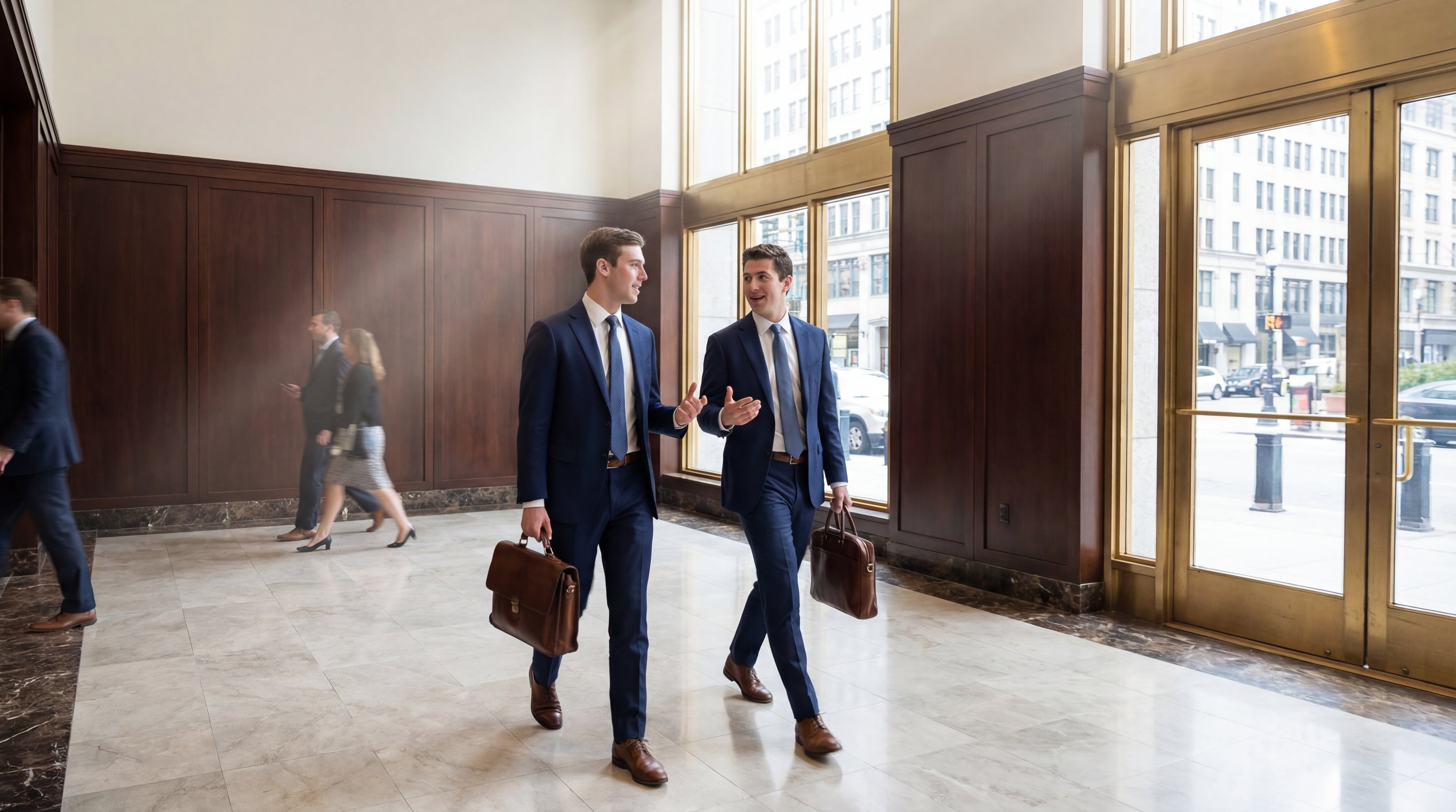
Navy. Charcoal. Grey. Maybe a subtle pattern if you're feeling bold. Tempered colors for serious people doing serious work.
If you're moving to DC for a government job, a lobbying firm, a think tank, or any of the industries that orbit the federal government—here's what actually works.
The DC Color Palette
Walk into any hearing room on Capitol Hill. Count the navy suits. Count the charcoal suits. Count the grey.
Now count anything else.
DC professionals dress like they have nothing to prove—because ideally, their work does the proving. The goal isn't to stand out visually. It's to look competent, credible, and appropriately serious.
The safe palette:
- Navy — The default. Works everywhere, pairs with everything.
- Charcoal — Slightly more formal, great for testimonies and formal meetings.
- Medium grey — Versatile, especially in spring and fall.
- Black — Mostly reserved for evening events or funerals.
Acceptable accents:
- White shirts, light blue shirts
- Burgundy, navy, or dark green ties
- Camel overcoats in winter (a DC signature)
What you won't see:
- Bright colors (unless you're a senator making a statement)
- Bold patterns (pinstripes are the edge of acceptable)
- Fashion-forward cuts (DC trails trends by about five years)
Who Still Wears Suits Daily
Not everyone in DC suits up every day. But certain roles still require it:
Diplomats
Suit every day. Period. Informal dress in diplomatic circles still means a suit—just without the strict protocol of state dinners.
US diplomats wear suits in the office and around town. When they attend embassy events or formal meetings, the expectations only increase.
Capitol Hill Staff
When Congress is in session, committee hearings and floor votes happen. Staff dress for the occasion.
Business formal for hearings. Business professional most other days. Casual Fridays are mild by private sector standards—chinos and a blazer, not jeans and a polo.
Lobbyists
Meeting with members means suit required. You're asking for their time and their vote. You dress like you respect both.
Government Contractors
Client meetings = suit up. Internal days = depends on your company culture, but err toward professional.
Think Tank Professionals
Ranges more widely. Academic types can get away with more casual. But when testifying, speaking at conferences, or meeting with policymakers, suits are expected.
The DC Suit Formula
When in doubt, this formula works:
- Suit: Two-button, single-breasted, notch lapel
- Fabric: Wool for three seasons, linen for summer
- Shirt: White or light blue, crisp collar
- Tie: Solid or subtle pattern, nothing that distracts
- Shoes: Black or dark brown leather, polished
- Belt: Match your shoes
This is boring on purpose. Nobody in DC ever lost a job for dressing conservatively.
Summer in DC: A Special Challenge
July and August in Washington are brutal. Humidity that fogs your glasses when you step outside. Temperatures that make wool feel like punishment.
This is when linen becomes acceptable—even expected.
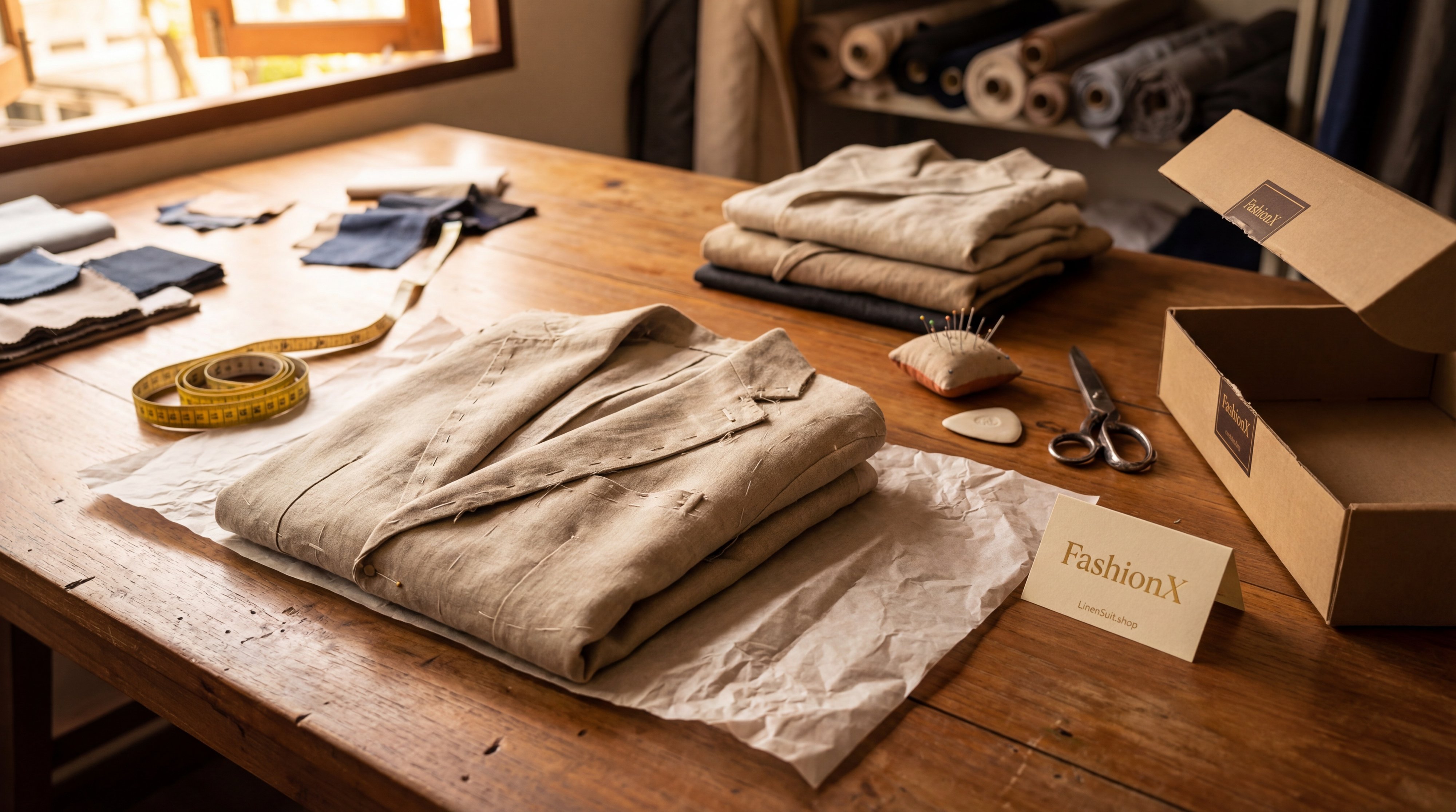
A well-cut linen suit in navy, light grey, or tan is standard summer professional attire in DC. Pair it with a crisp shirt (linen or cotton), skip the tie when you can, and carry your jacket between buildings.
For shirts, seersucker is a DC classic. The textured cotton breathes well and dries fast. It's not unusual to see senior staffers and longtime Washingtonians in seersucker from Memorial Day to Labor Day.
The key: still look pressed. Linen wrinkles, and that's part of its charm. But there's a difference between natural linen texture and looking like you slept in your clothes. Start the day clean and ironed.
Buying for DC: What to Prioritize
If you're building a DC wardrobe from scratch, here's the order:
First purchase: Navy suit
Your interview suit, your first-day suit, your anytime-you're-not-sure suit. Navy works for everything short of black-tie events.
Second purchase: Charcoal suit
For testimonies, formal meetings, times when navy feels too casual.
Third purchase: Light grey or summer linen
For the months when wool is unbearable.
Fourth purchase: Quality blazer
For times when a full suit is too formal but shirtsleeves are too casual.
Three suits and a blazer will carry you through your first two years without anyone noticing you're rotating.
Fit Matters More Than Label
DC is full of people wearing expensive suits badly.
Political appointees who bought off the rack in whatever size was closest. Lobbyists whose client budgets go everywhere except their own wardrobe. Staffers whose suits were purchased five years and fifteen pounds ago.
You notice fit before you notice brand. A well-fitted $650 suit outperforms a poorly-fitted $2,000 suit every time.
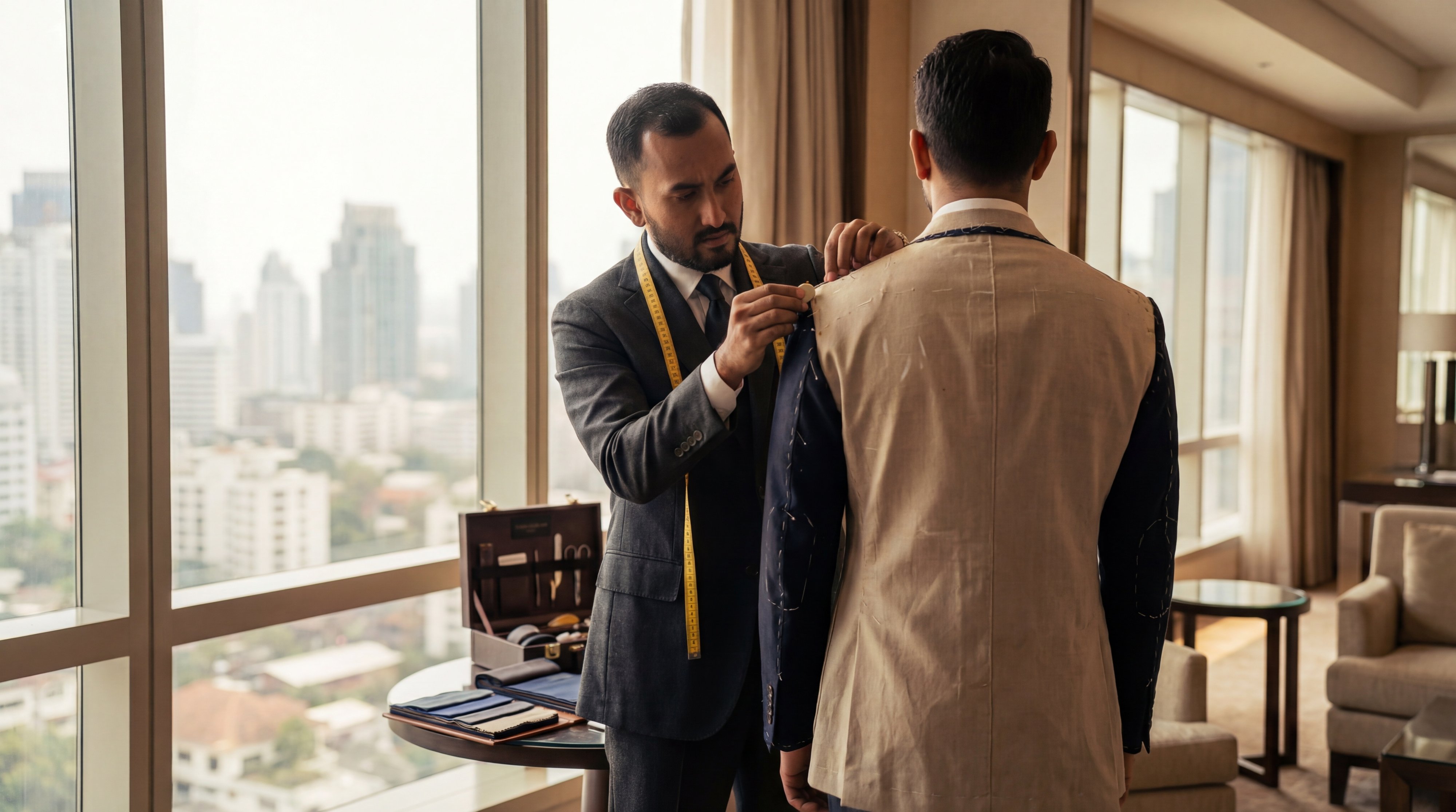
Draft fitting exists for exactly this reason. Before we cut your final fabric, you try a test garment at home. We adjust the pattern based on your feedback. The suit that arrives fits because we verified it would—not because we guessed based on measurements alone.
For DC's long days—morning meetings, afternoon hearings, evening receptions—you need a suit you can actually wear for 14 hours. That means fit that doesn't pull, restrict, or slowly drive you crazy.
The Unwritten Rules
Overdressed > underdressed. Always. If you're not sure, wear the suit.
Dress for the meeting, not the day. If you have one formal meeting in an otherwise casual day, dress for the formal one.
Keep a jacket in your office. Meetings get called. Principals drop by. Be ready.
Watch the tie conventions. Solid is safest. Pattern is fine. Novelty ties are for weekends.
Shoes get noticed. Scuffed shoes undermine everything else. Keep them polished.
The Bottom Line
DC dress code is about credibility. You're in a town where people assess competence quickly and constantly. What you wear is part of how you're read.
The formula is simple: tempered colors, quality fit, understated details. Look like you take the work seriously without looking like you're trying too hard.
Navy, charcoal, grey. Pressed shirt. Polished shoes. Perfect fit.
Do that and nobody thinks about your clothes. They think about what you're saying.