Seersucker shirts don't need ironing. That's not a feature—it's the entire point.
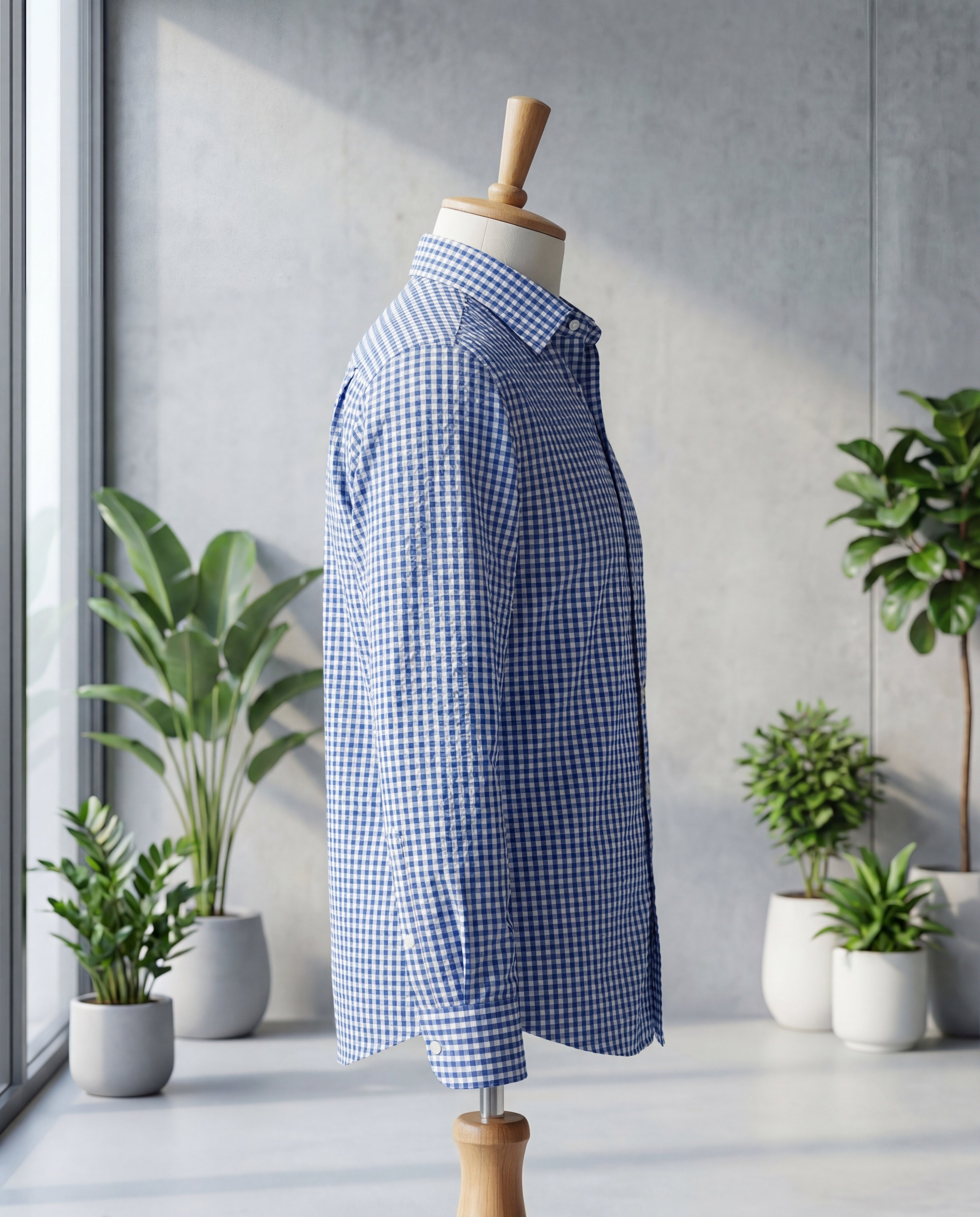
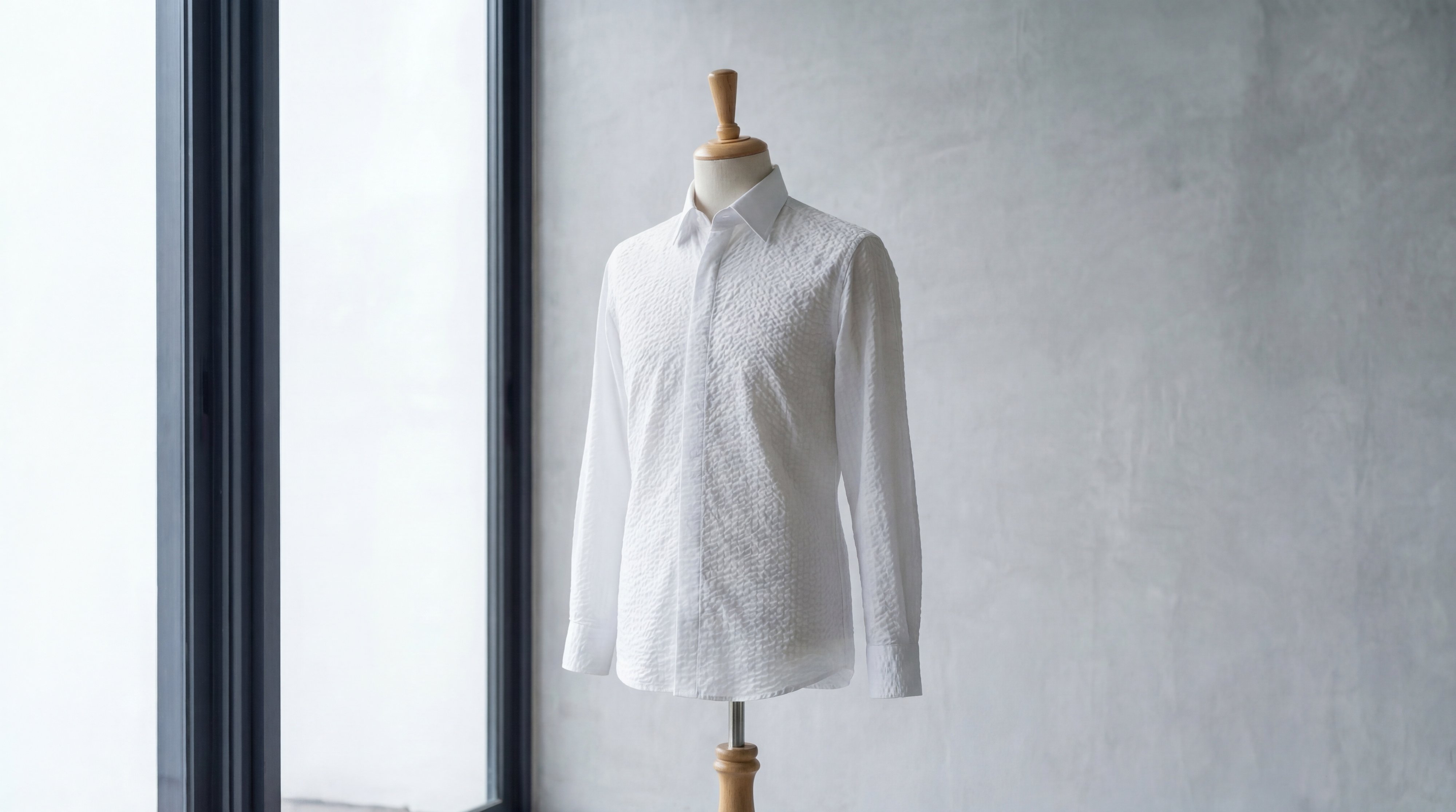
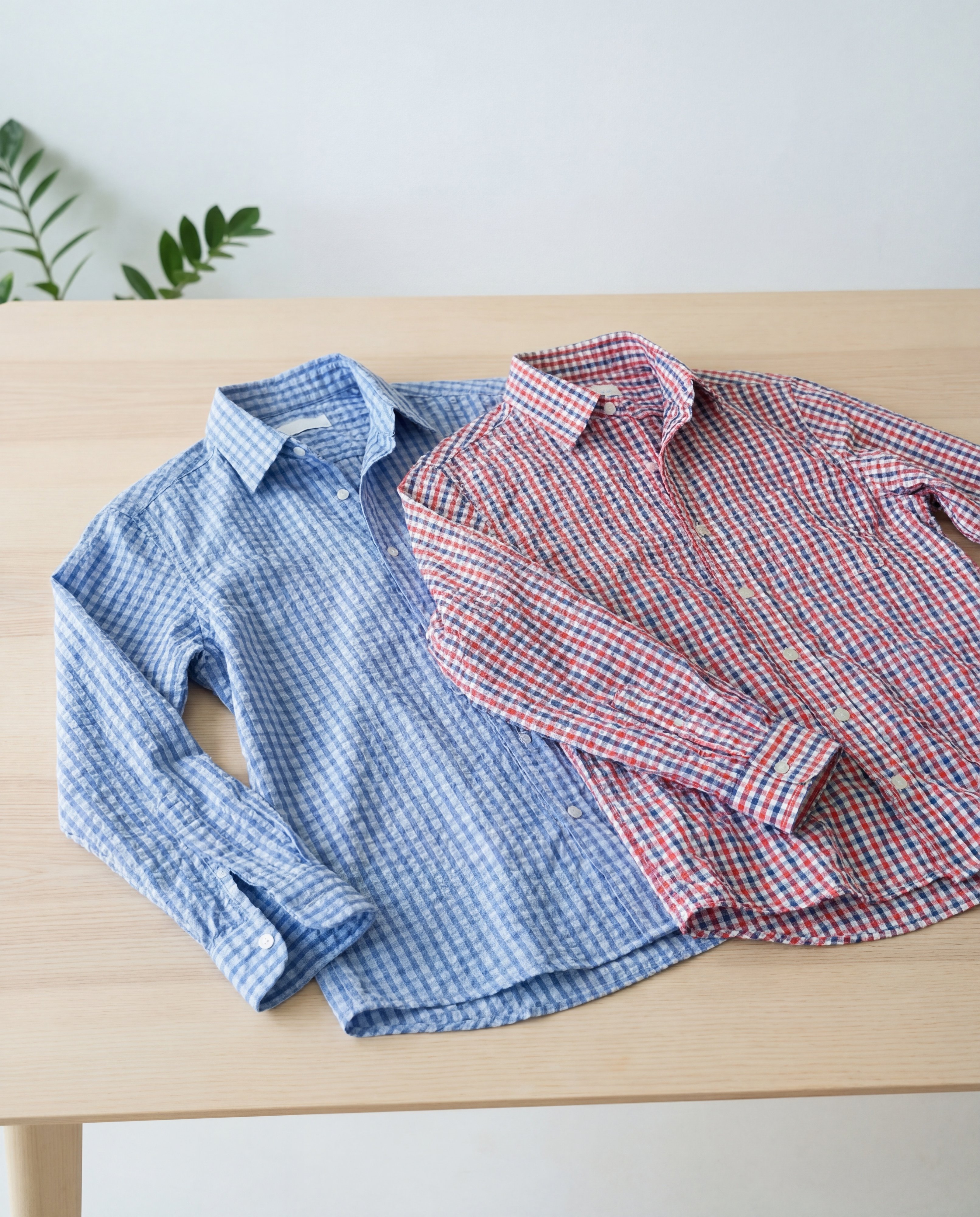
The puckered texture you see isn't wrinkled fabric. It's woven in on purpose. Those bumps and ridges create air pockets between fabric and skin. You stay cooler. The wrinkles can't flatten out because they're locked into the weave structure.
This isn't vintage fashion nostalgia. It's functional textile engineering from before air conditioning existed.
What Seersucker Actually Is
The name comes from Persian "شیر و شکر" (shir o shakar)—"milk and sugar." Smooth stripes feel like milk. Puckered stripes feel like sugar.
The fabric is made with alternating tight and loose yarns. Tight yarns stay flat. Loose yarns bunch up and create the signature crinkled texture. The result: a three-dimensional fabric that naturally stays off your skin.
No special finish. No chemical treatment. Just the weave structure doing what it was designed to do.
Why It Keeps You Cooler Than Regular Cotton
Regular cotton shirts sit flat against your skin. When you sweat, they stick. No air circulation. Just damp fabric clinging to you.
Seersucker's puckered texture creates physical space between fabric and skin. The bumpy parts touch you. The flat parts don't. Air flows through constantly.
It's the same principle as ribbed radiators—more surface area, better airflow, more effective cooling.
Whether it's actually "30% cooler" or not, you feel the difference on a 90-degree day. The fabric stays dry. You stay comfortable.
The No-Iron Thing Is Real (And Why It Matters)
You will never iron a seersucker shirt. Not because you shouldn't—because you literally can't.
The puckered texture is locked in by the weave. When you wash it, the loose yarns stay loose and the tight yarns stay tight. The texture comes back every time. Trying to flatten it defeats the purpose and doesn't work anyway.
This makes it perfect for:
- Travel - Throw it in a suitcase, pull it out, wear it
- Hot climates - No steam iron needed in 90-degree humidity
- Anyone who hates ironing - It's designed to look this way
Compare this to linen, which wrinkles if you look at it wrong and requires constant steaming. Seersucker eliminates that entire problem.
Stripes vs. Gingham: What's the Difference
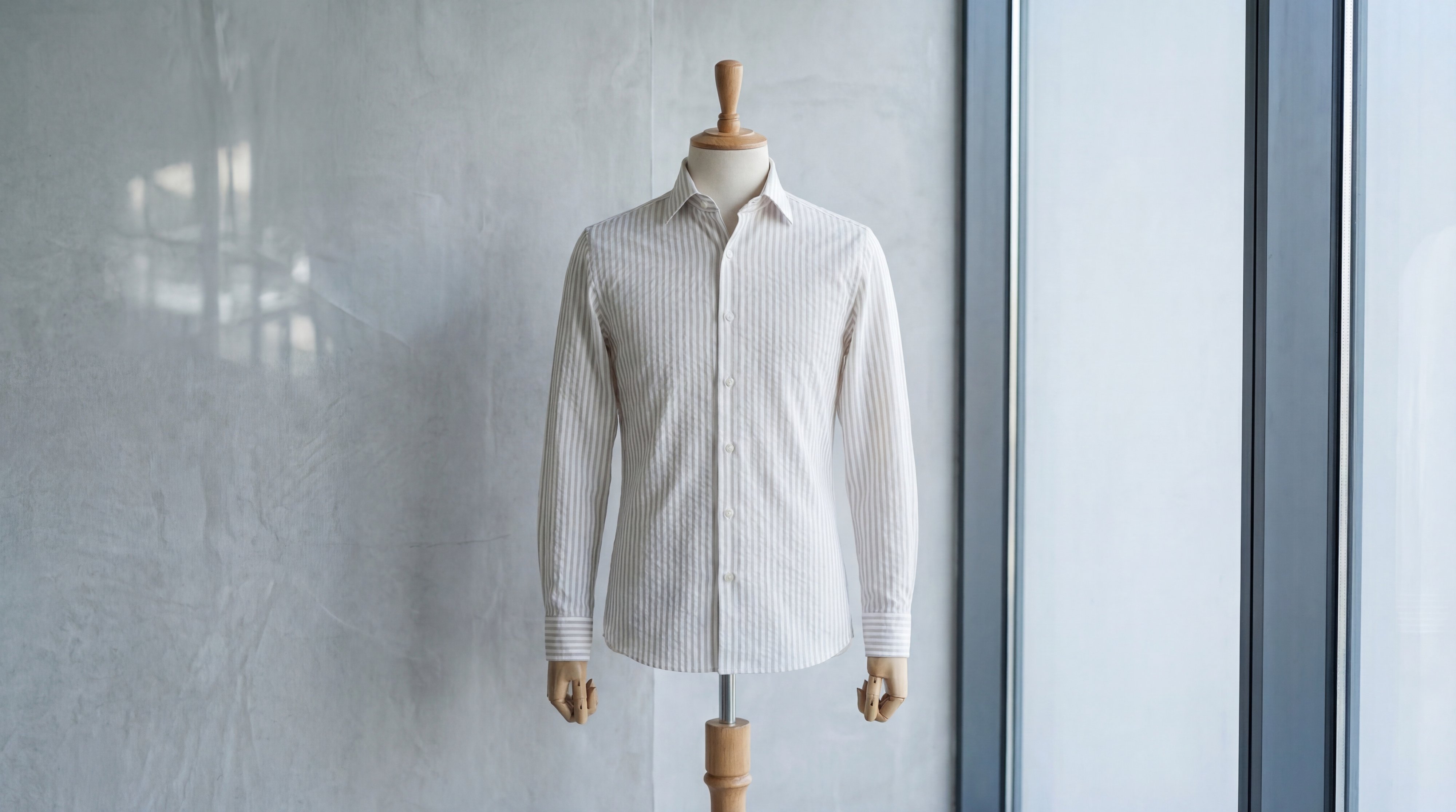
Traditional seersucker is blue and white stripes. That's the classic American summer look everyone pictures.
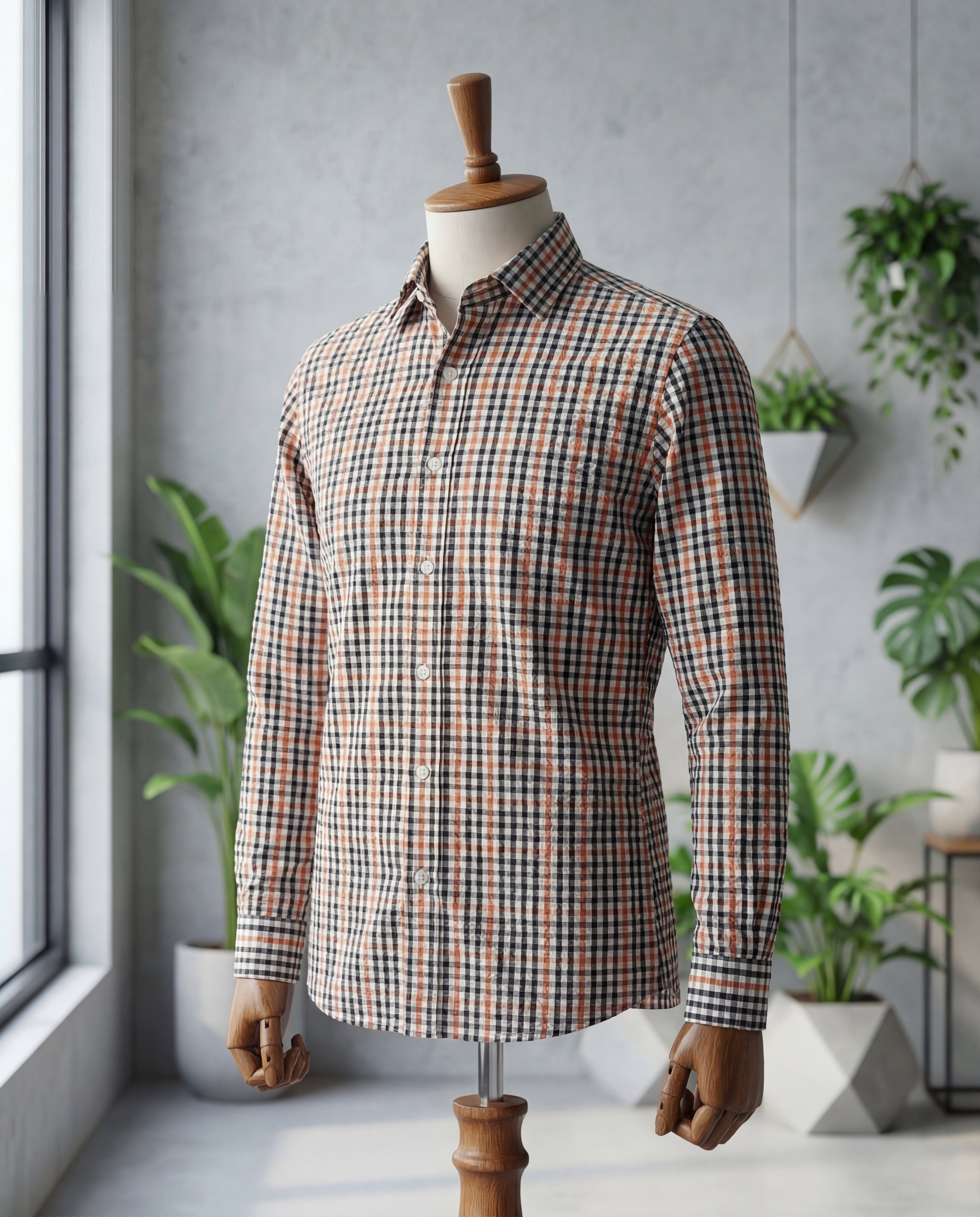
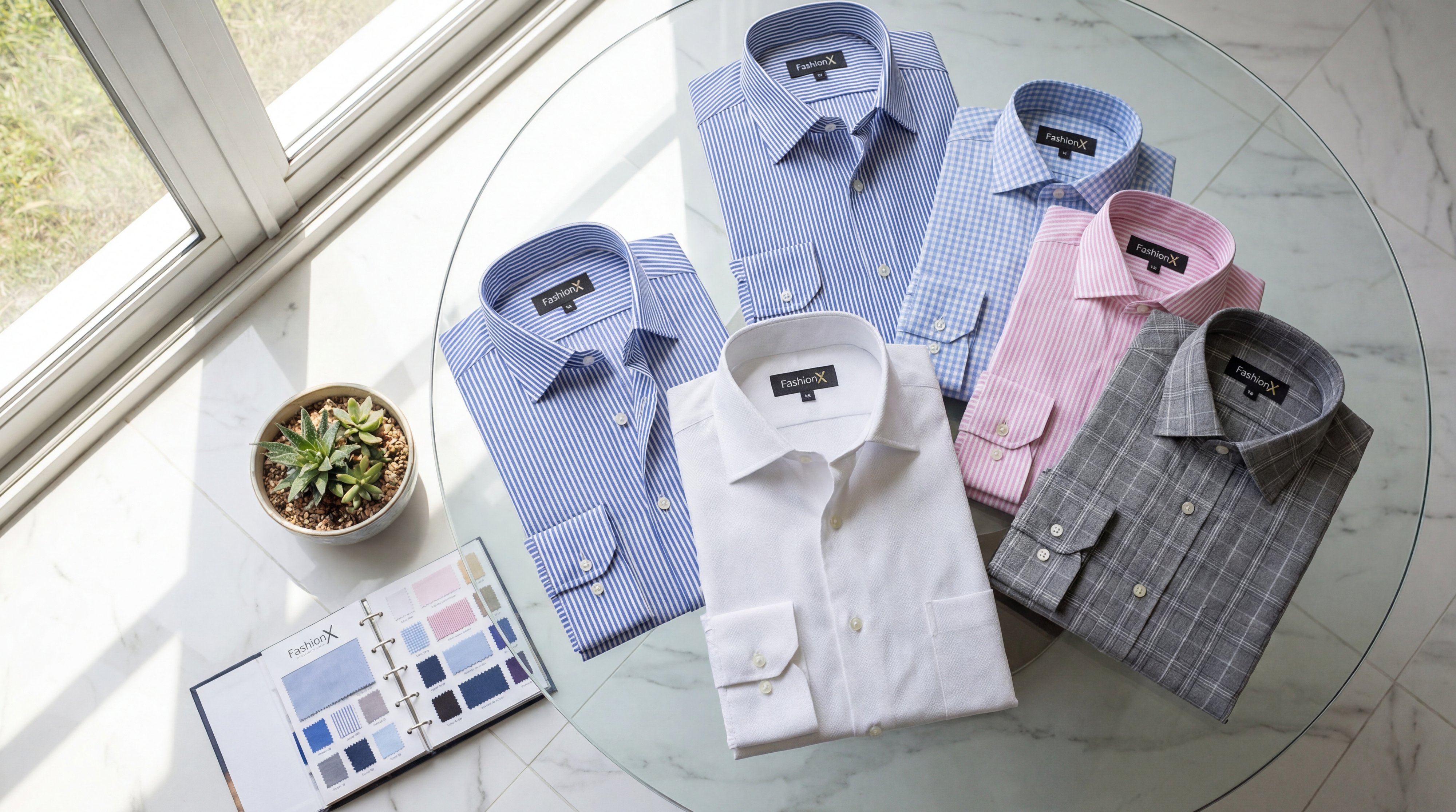
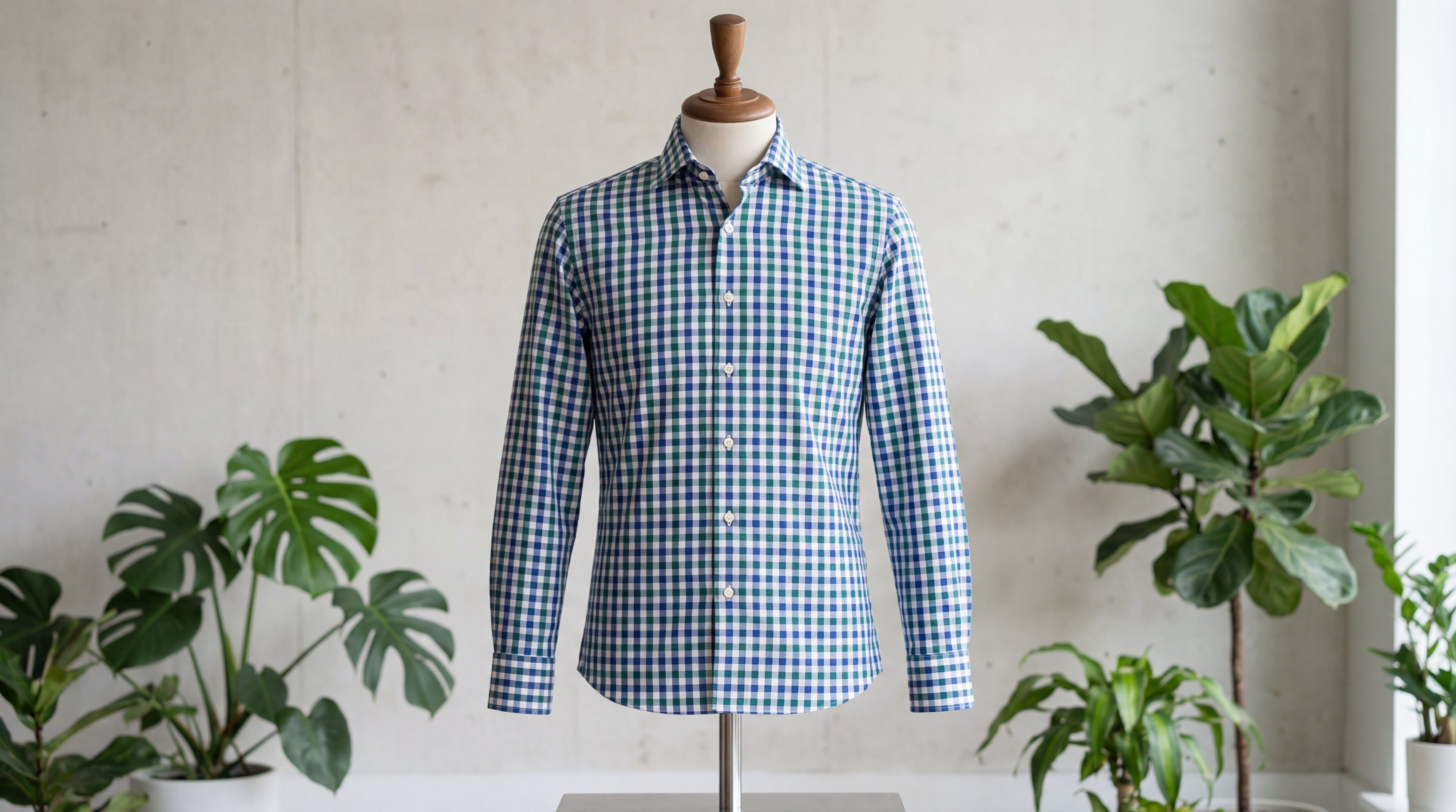
Gingham check seersucker uses the same puckered texture but with a check pattern instead of stripes. You get more color options—pink, navy and red, beige and black. The checks make it less obviously "traditional seersucker" and more just "textured shirt."
Both work. Stripes lean classic. Checks lean modern. Pick based on what you'll actually wear.
How to Wear It Without Looking Like a Costume
Seersucker has a reputation as "prep school nostalgia." That's usually because people combine it with other vintage elements—bow ties, suspenders, spectator shoes.
Keep it simple:
- Stripes with solid pants - Blue seersucker with navy chinos or khaki shorts
- Checks with neutrals - Gingham with black, gray, or white trousers
- Skip the accessories - No bow tie. No suspenders. Just the shirt.
- Fit matters - Baggy vintage cuts look like costumes. Proper fit looks like style.
The fabric is already interesting. Don't add layers of "look at me being retro."
Care Instructions (Stupidly Easy)
Machine wash cold. Hang dry or tumble dry low. Done.
Do NOT use fabric softener. It can flatten the puckered texture over time. The texture is the technology—don't kill it.
Never iron. Ever. If you're ironing seersucker, you fundamentally misunderstand what seersucker is for.
Seersucker vs. Linen: The Honest Comparison
People always ask: seersucker or linen for summer?
Linen is more formal. Better drape. Natural slub texture looks refined. But it wrinkles constantly and requires regular steaming.
Seersucker is more casual. The texture is obvious. But you never touch an iron, and that's worth something.
| Seersucker | Linen | |
|---|---|---|
| Ironing needed | Never | Constantly |
| Cooling effect | Excellent (air pockets) | Excellent (natural fiber) |
| Formality | Casual | Can be dressy |
| Travel-friendly | Perfect | Terrible |
| Maintenance | Machine wash, done | Steam after every wear |
If you hate ironing: seersucker.
If you want refined summer elegance and don't mind maintenance: linen.
If you're practical: own both.
When Seersucker Doesn't Work
Let's be clear about where this fabric fails:
Winter. It's too lightweight. You'll freeze. This is warm-weather fabric, period.
Formal events. Black tie, formal weddings, business meetings where appearance matters more than comfort. Wear something else.
Sharp pressed lines. Some situations need crisp perfection. That's not what seersucker does.
But for summer casual, travel, beach vacations, outdoor events, hot weather commutes—it's unbeatable.
Why This Matters Now
Summers are getting hotter. More people work remotely or in casual offices. Travel is back. Nobody wants to pack an iron.
Seersucker solves real problems:
- You stay cooler (real air circulation, not marketing claims)
- You never iron (built into the weave, not your responsibility)
- You travel easier (wrinkle-proof by design)
- You look intentional (it's supposed to look like this)
This isn't vintage nostalgia. It's textile technology that still works better than most modern alternatives.
The wrinkles are the technology. The texture is functional. The convenience is real.
At LinenSuit.shop
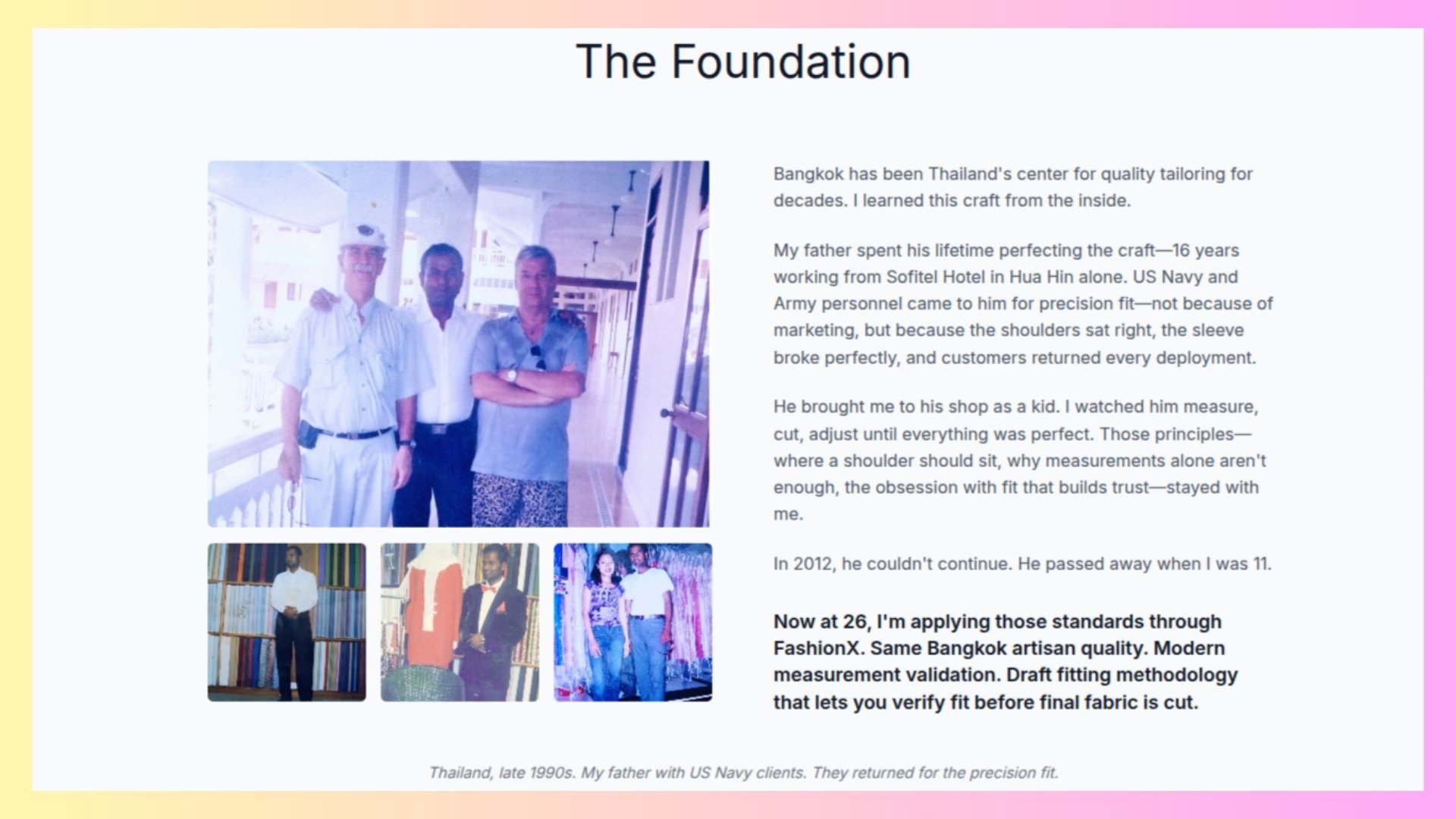
We source 10 seersucker patterns—classic stripes, gingham checks, solid white. Same Bangkok craftsmanship as our linen suits. Same attention to fit and construction.
Machine washable. Never needs ironing. Actually keeps you cooler.
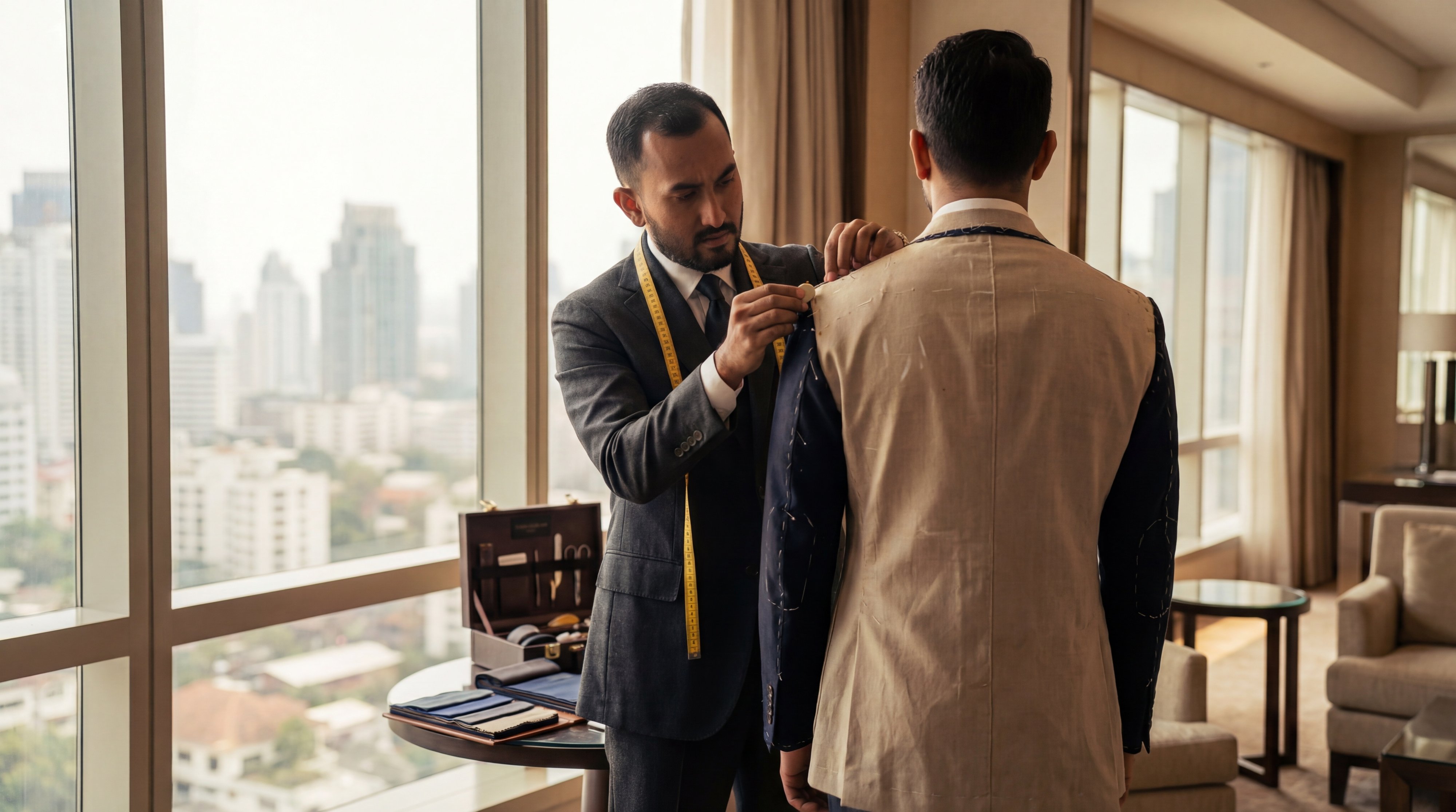
Just like our suits use draft fitting to ensure perfect fit before cutting final fabric, our shirts are made with the same precision—just with fabric that requires zero maintenance.
Worldwide shipping included.