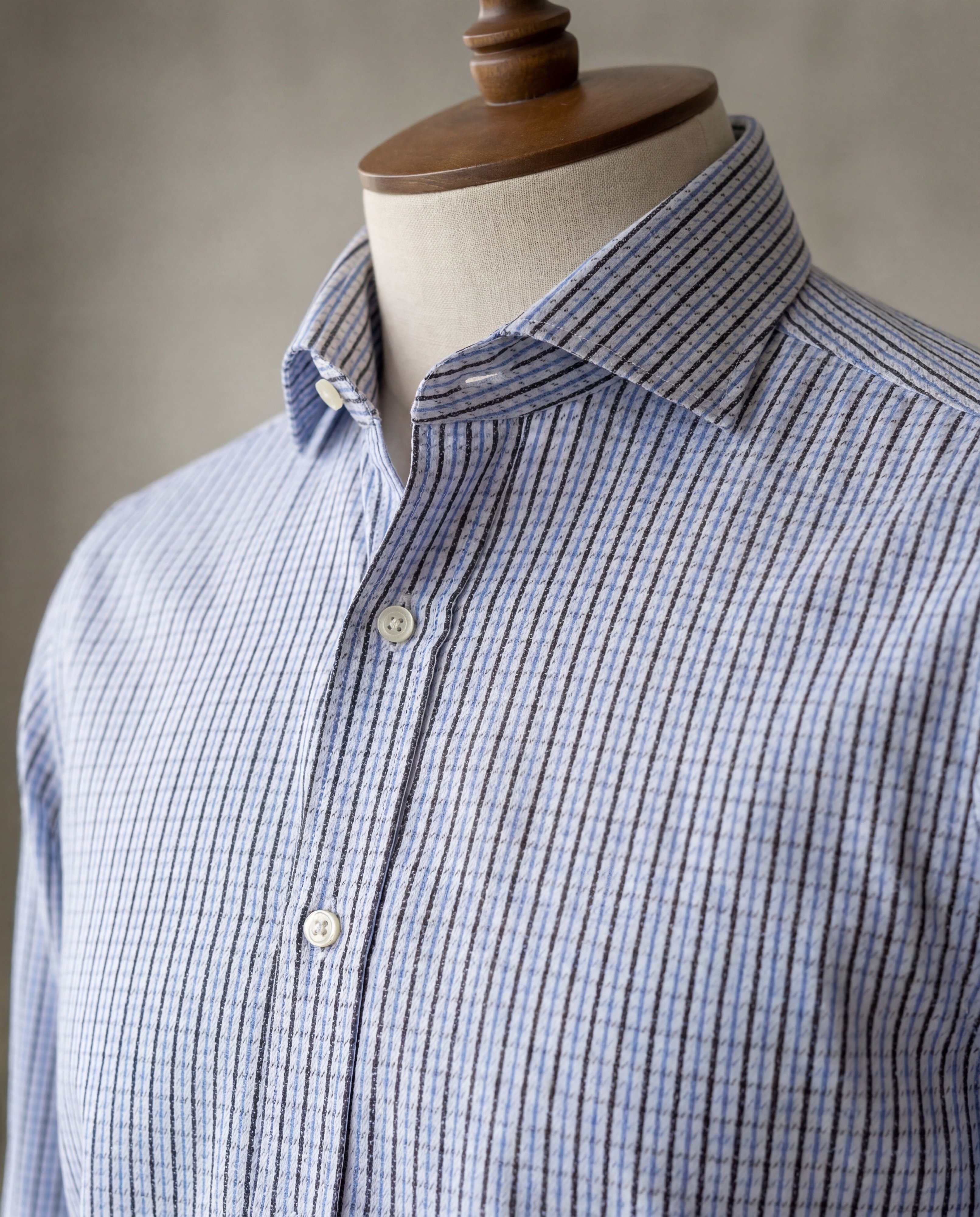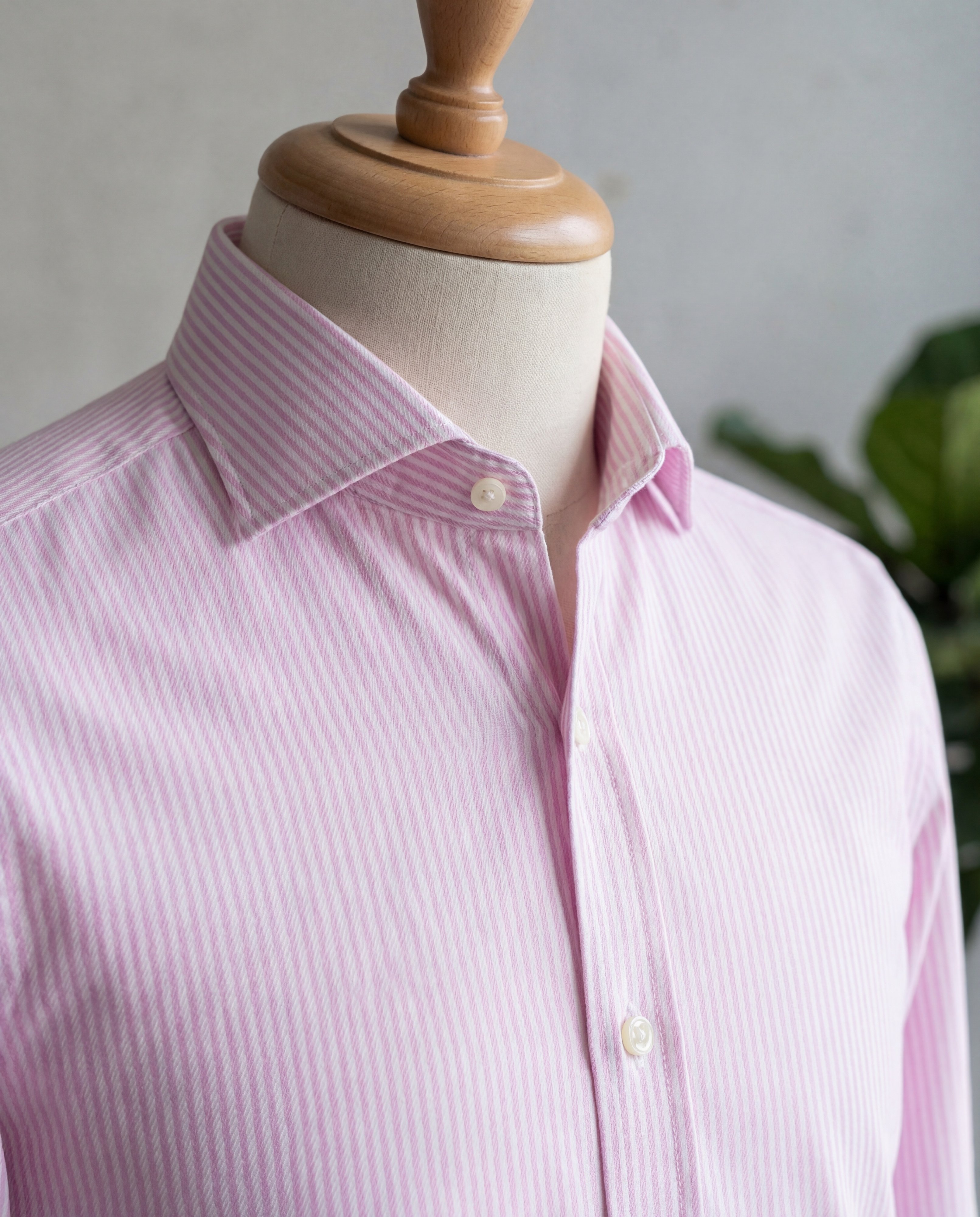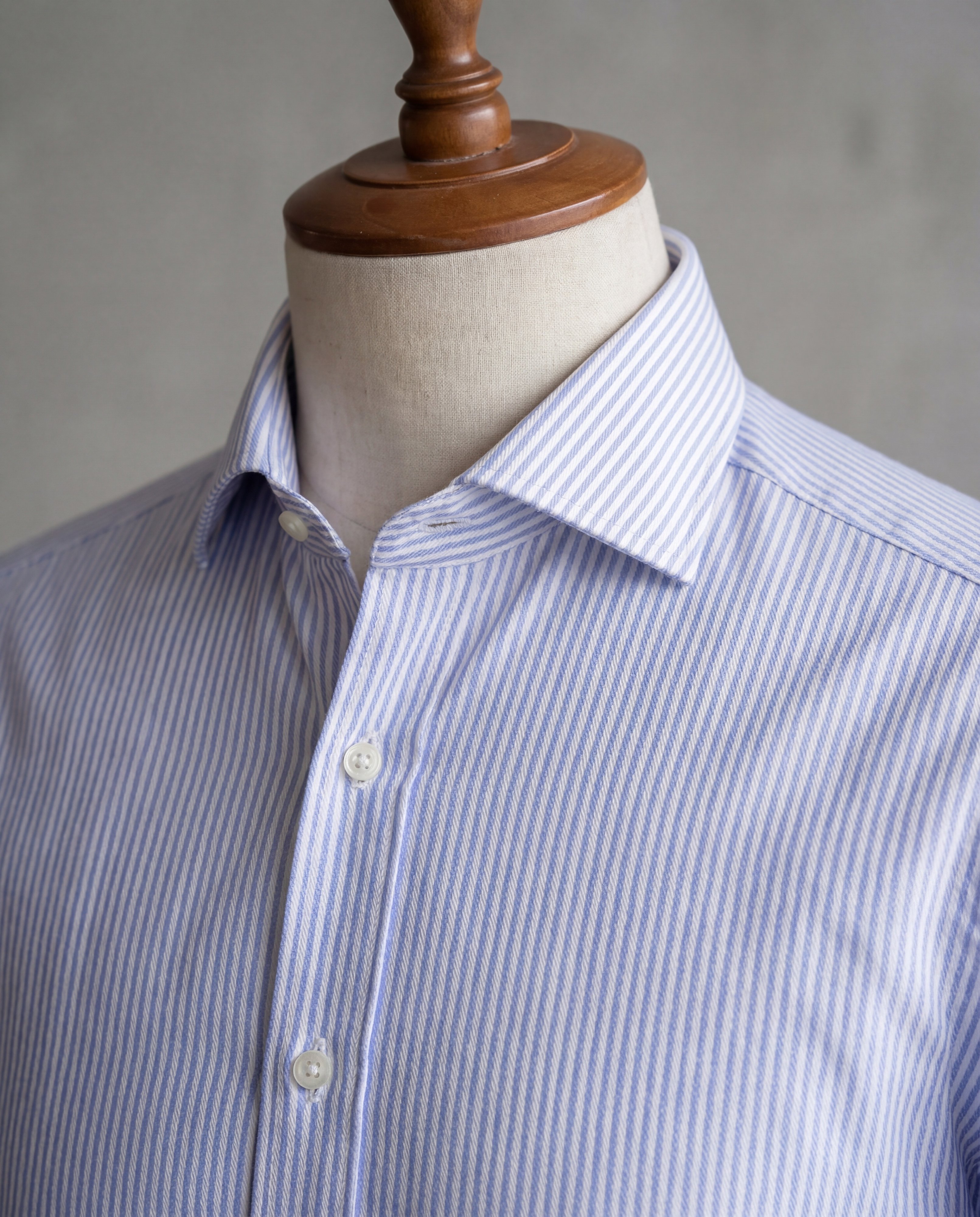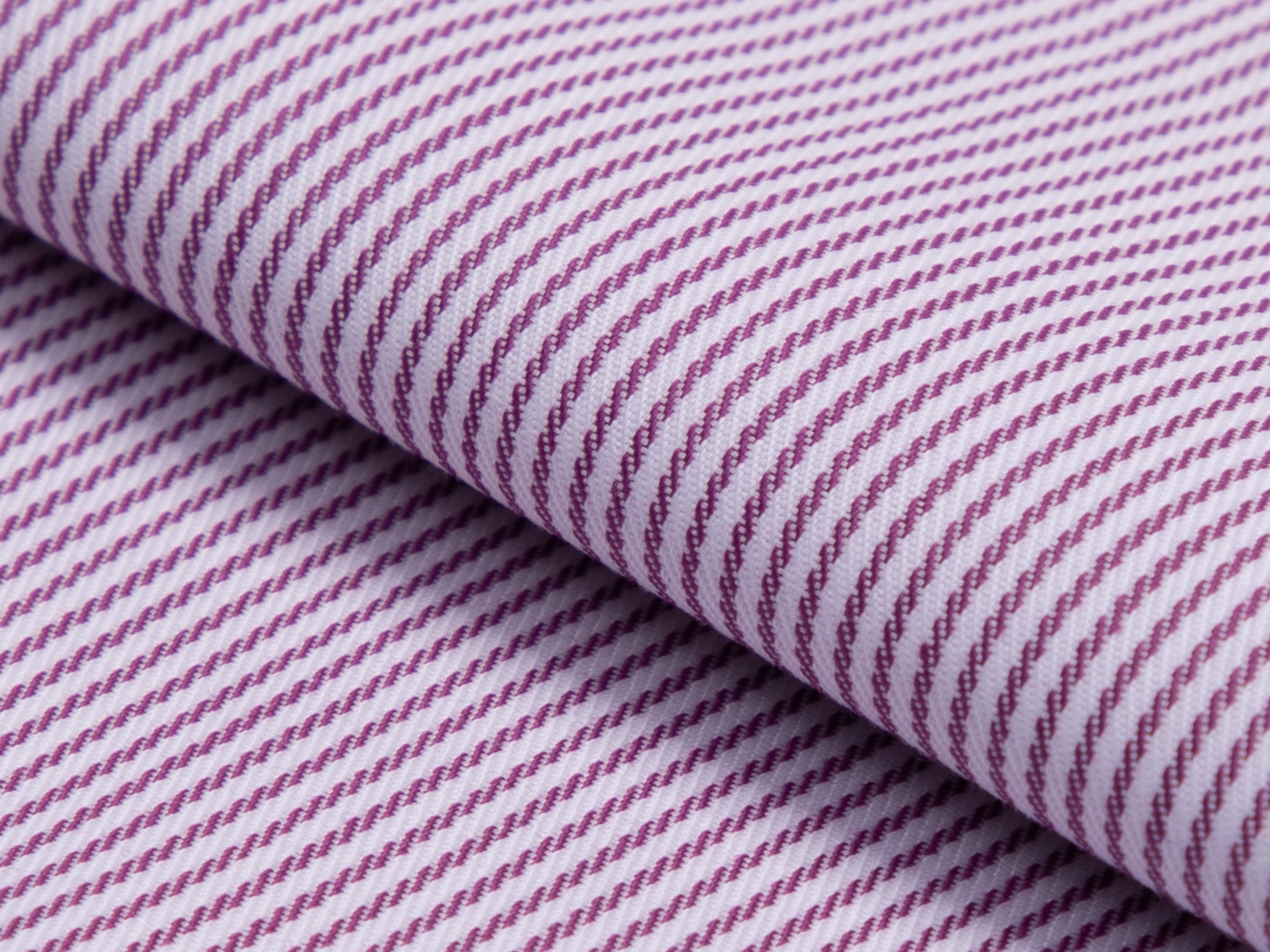
Most custom shirt websites show you 10-20 patterns. Maybe 30 if they're ambitious.
We have 82.
Bengal stripes, windowpane checks, gingham, pinstripes, graph checks, candy stripes, tattersall, chambray, plaid - the full range of classic shirting patterns, all in 190gsm premium cotton.
But having options means nothing if you don't know what to pick. Here's the practical guide to choosing patterns that actually work for your life.
The Golden Rule of Shirt Patterns
Before we dive into specifics, one principle governs everything:
The more pattern, the less formal.
Thin pinstripes on white? Boardroom-ready. Bold multi-color plaid? Weekend only.
This isn't snobbery - it's visual weight. Busier patterns draw attention to the shirt. Subtle patterns let the overall outfit speak. Know your context, choose accordingly.
Stripe Patterns: The Workhorses
Stripes are the most versatile patterns in menswear. Here's what each type actually means for your wardrobe.
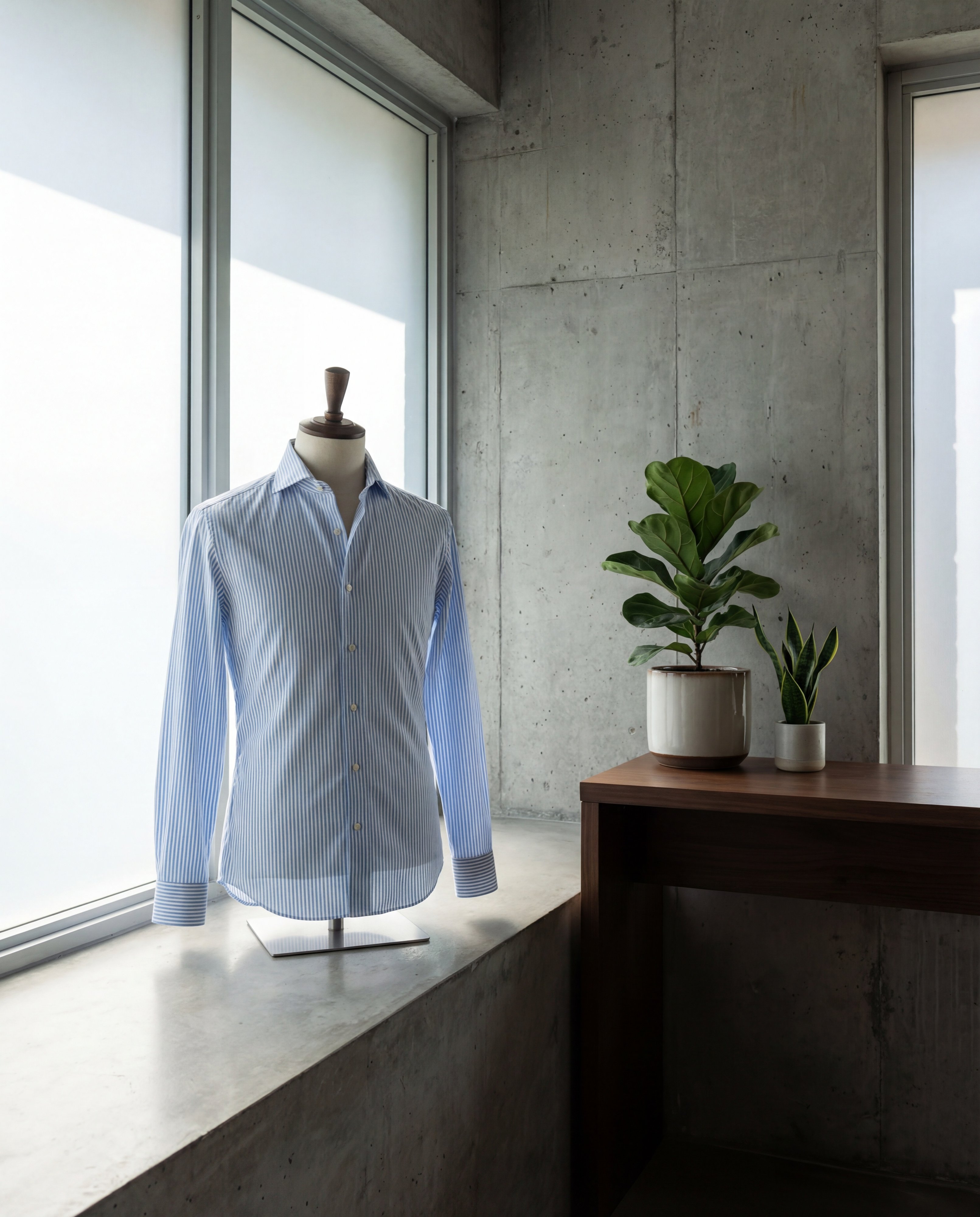
Bengal Stripe
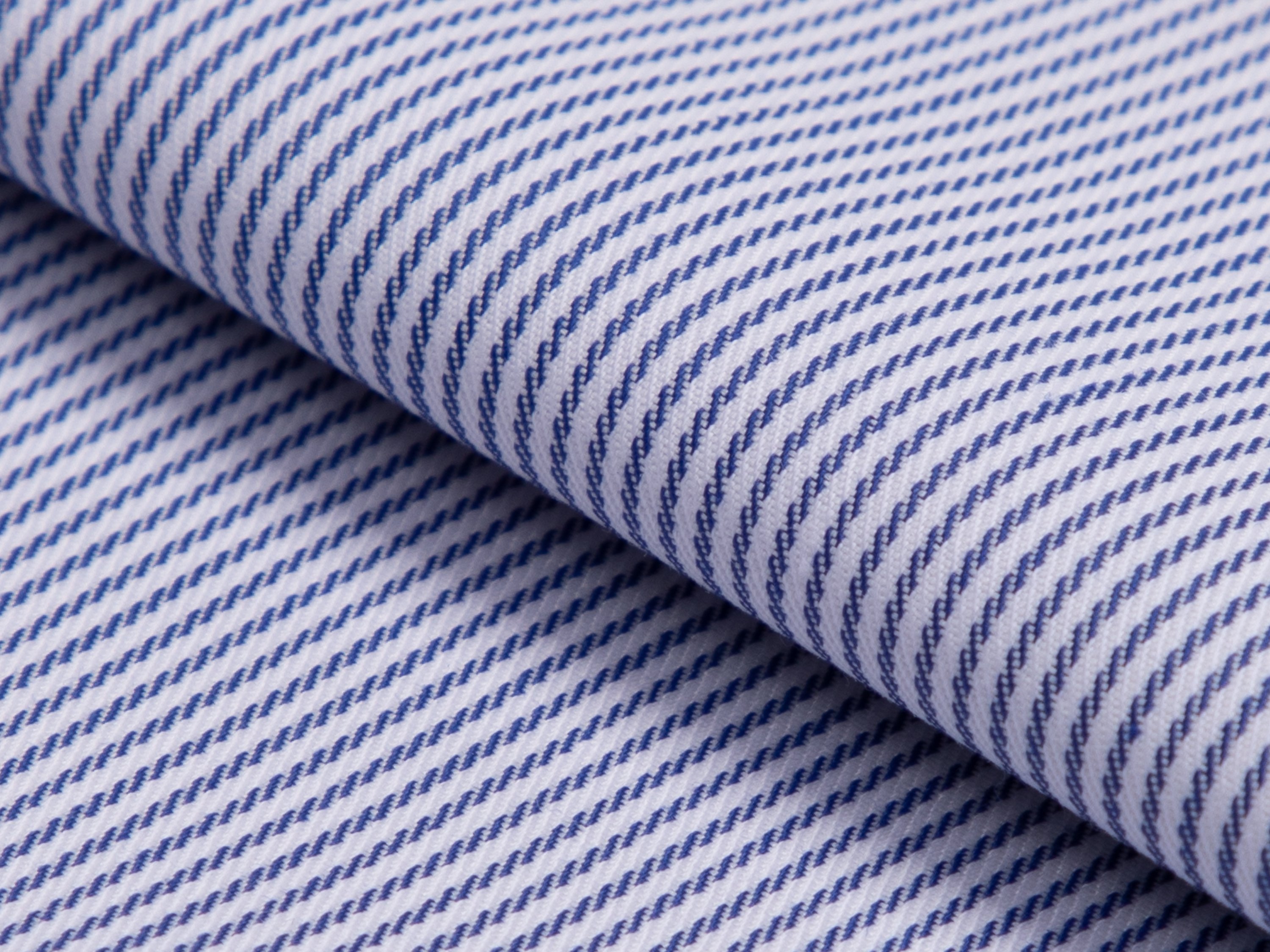
The classic. Equal-width alternating stripes, typically 1/8" to 1/4" wide.
Best for: Office, client meetings, video calls, business casual
Formality: Medium-high
Why it works: Bold enough to show personality, structured enough for professional settings. The even spacing reads as intentional and polished.
Pro tip: Blue bengal on white is the most versatile patterned shirt you can own. Works with navy suits, grey suits, or solo with chinos.
Pinstripe
Thin lines - the width of a pin - on a solid background.
Best for: Formal meetings, boardroom, traditional offices
Formality: High
Why it works: The subtlety reads as sophisticated, not boring. From across a conference table, it looks almost solid but with depth.
Candy Stripe
Wider than bengal, bolder colors. Think classic barbershop vibes.
Best for: Smart casual, creative offices, summer
Formality: Medium
Why it works: Makes a statement without screaming. Pairs well with blazers for a put-together-but-not-stuffy look.
Multi-Stripe
Three or more colors in the stripe pattern.
Best for: Casual settings, weekends, creative industries
Formality: Low-medium
Why it works: When you want pattern without taking yourself too seriously. Skip the tie - let the shirt be the statement.
Check Patterns: From Boardroom to Brunch
Checks offer more visual interest than stripes. The key is scale - smaller checks read formal, larger checks read casual.
Gingham
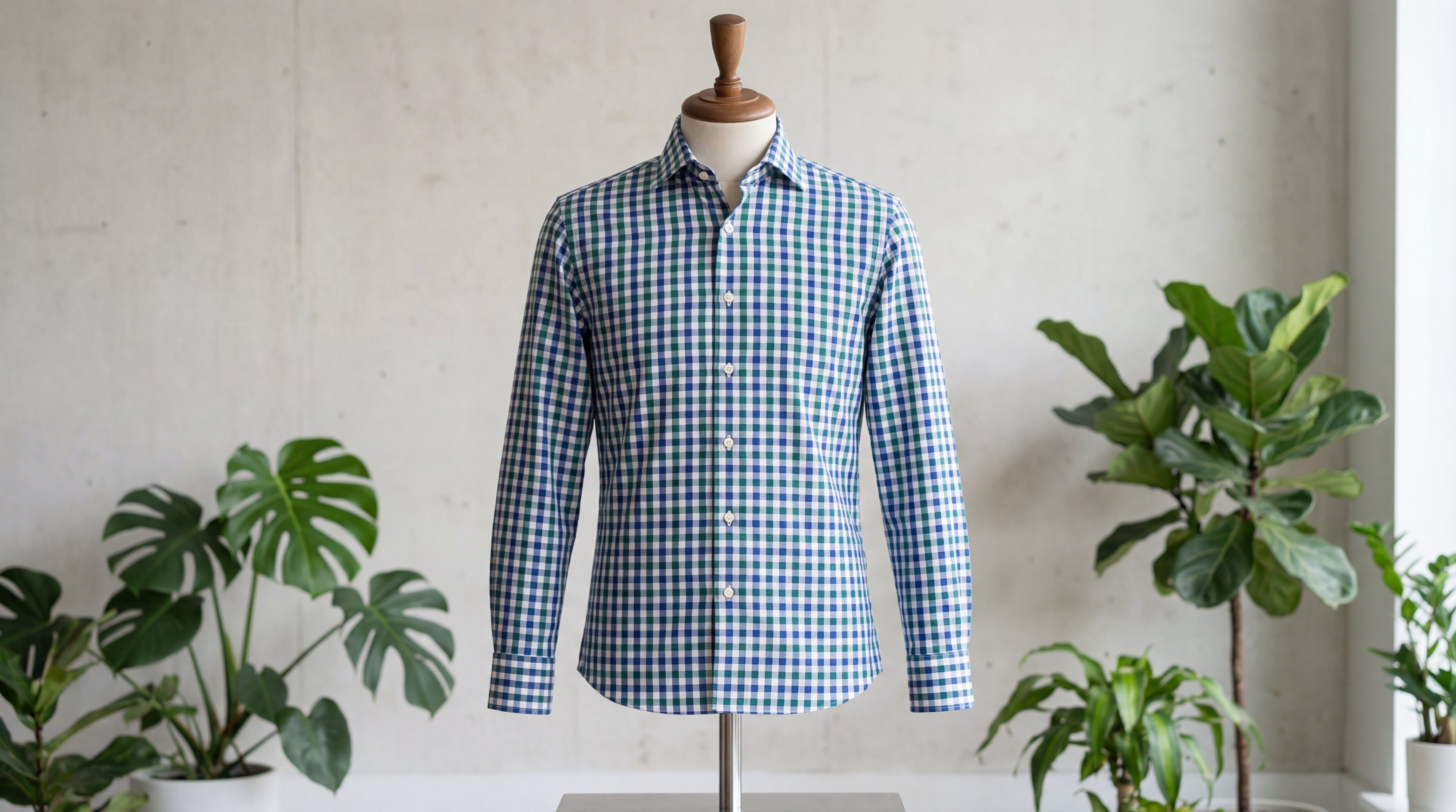
The checkered pattern everyone recognizes. Equal-sized squares formed by crossing colored and white stripes.
Best for: Business casual, smart casual, date nights, outdoor events
Formality: Medium
Why it works: Universally flattering, instantly approachable. A blue gingham shirt might be the most versatile piece in any wardrobe.
Styling note: Smaller gingham can go under suits. Larger gingham works better open-collar or with a blazer, no tie.
Windowpane
Thin lines forming large rectangular panes - like window glass.
Best for: Semi-formal settings, creative professionals, standing out subtly
Formality: Medium-high
Why it works: The large scale creates visual interest without business. The thin lines keep it refined.
Body type bonus: Windowpane has a slight elongating effect - can make the wearer appear taller and slimmer.
Graph Check
Tiny squares in a grid pattern. Sometimes called "micro check."
Best for: Formal offices, finance, law, consulting
Formality: High
Why it works: From any distance, it reads almost as a textured solid. Up close, the detail rewards attention. Perfect for conservative environments that still value personality.
Tattersall
Multi-colored check with thin lines on a light background. Traditional country pattern.
Best for: Smart casual, layered looks, weekend outings
Formality: Medium-low
Why it works: The multiple colors make it interesting without being loud. Excellent under sweaters and blazers.
Plaid
Three or more colors in an uneven check pattern.
Best for: Casual wear, creative settings, weekends
Formality: Low
Why it works: Pure personality. When you want the shirt to be the focal point, not a supporting player.
Textured Weaves: Pattern Without Pattern
Sometimes the pattern is in the fabric itself, not printed or woven as a colored design.
Herringbone
A V-shaped zigzag weave that creates subtle texture.
Best for: Formal to business casual, four-season wear
Formality: High
Why it works: Adds visual depth to solid colors without introducing pattern. A white herringbone is dressier than a plain white poplin.
Twill
Diagonal weave lines visible in the fabric.
Best for: Business settings, daily wear
Formality: Medium-high
Why it works: More forgiving than poplin - slight texture hides minor wrinkles. The weave creates subtle movement that photographs well.
Chambray
A plain weave that looks like denim but softer.
Best for: Casual Fridays, smart casual, weekend
Formality: Low-medium
Why it works: The relaxed hand feel and appearance. Impossible to overdress in chambray - keeps everything approachable.
The Pattern Formality Cheat Sheet
| Pattern | Formality | Best Settings | Tie? |
|---|---|---|---|
| Pinstripe | High | Boardroom, formal office | Yes |
| Graph check | High | Finance, law, consulting | Yes |
| Herringbone | High | Formal, all seasons | Yes |
| Bengal stripe | Medium-High | Office, client meetings | Yes or no |
| Windowpane | Medium-High | Semi-formal, creative | Either |
| Twill | Medium-High | Business daily | Either |
| Gingham | Medium | Business casual, dates | Usually no |
| Candy stripe | Medium | Smart casual, summer | Usually no |
| Tattersall | Medium-Low | Layered looks, weekend | No |
| Chambray | Low-Medium | Casual Friday, weekend | No |
| Multi-stripe | Low-Medium | Casual, creative | No |
| Plaid | Low | Weekend, casual | No |
Why 190gsm Matters for Patterns
Here's something pattern guides never mention: fabric weight affects how patterns look.
Our premium cotton is 190gsm with a silky finish. What this means for patterns:
Patterns stay crisp. Heavier fabric holds structure throughout the day. That bengal stripe looks as sharp at 6pm as it did at 8am.
Colors pop. The silky finish reflects light cleanly, making pattern colors more vibrant without looking cheap.
Video calls love it. The weight prevents the shimmering/moiré effect that thin fabrics create on camera. Your stripes read as stripes, not visual noise.
Compare our 180gsm vs 190gsm options →
Every Pattern, Same Perfect Fit
82 patterns means nothing if the shirt doesn't fit.
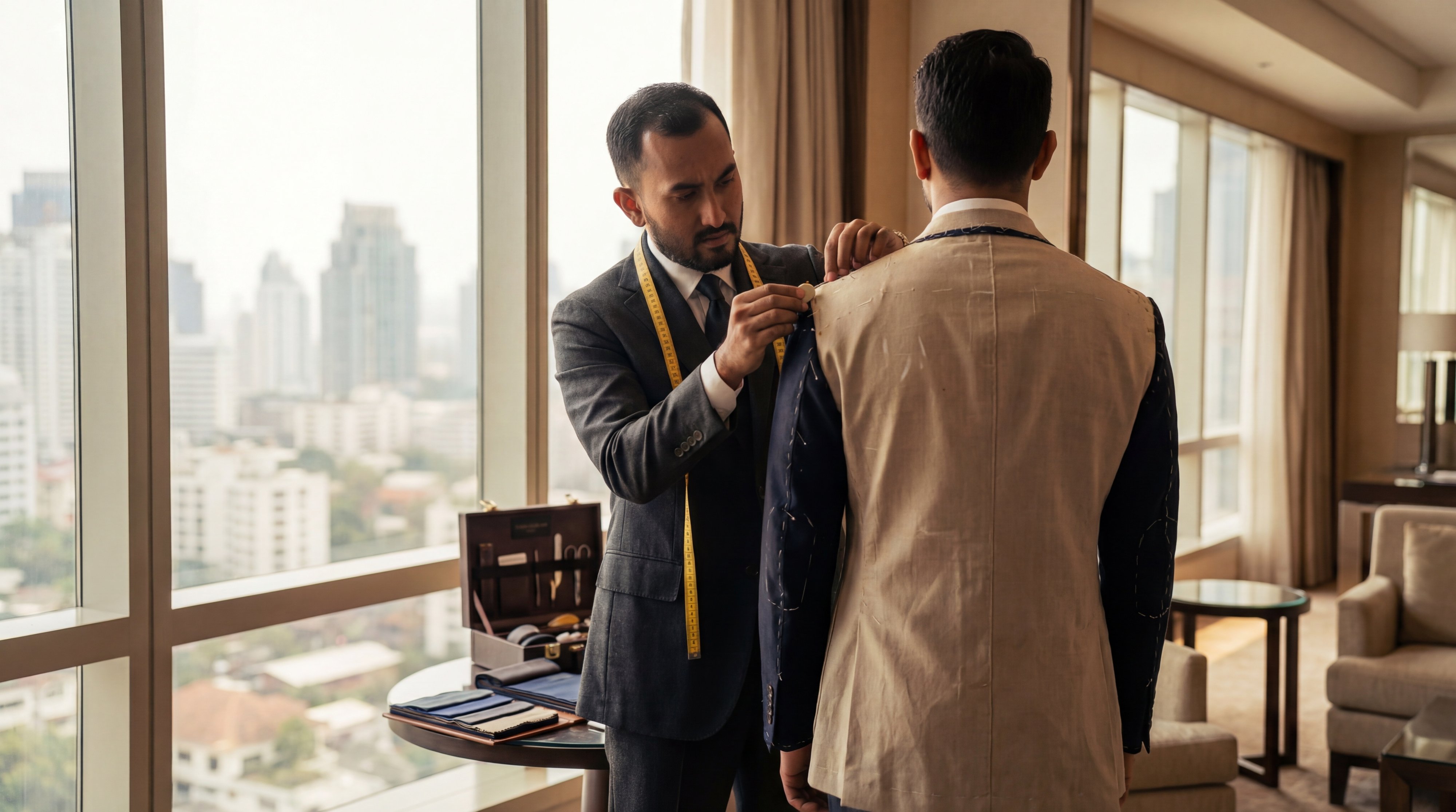
This is where we're different. Every patterned shirt - from subtle pinstripe to bold plaid - includes draft fitting.
Before we cut your premium fabric, we send a test garment. You try it on at home. Send feedback. We adjust the pattern to your exact body.
Then we cut your chosen pattern.
Why this matters for patterns specifically: A pulling or bunching shirt distorts the pattern. Stripes that should be vertical start tilting. Checks that should be squares become rectangles. Perfect fit means perfect pattern alignment.
Stored Pattern, Endless Options
Here's the real advantage of 82 patterns with draft fitting:
Once your pattern (the fit, not the visual pattern) is verified and stored, you can order any of our 82 fabric patterns knowing it will fit perfectly.
Loved the fit of your first blue bengal stripe? Order a windowpane next. Then a gingham. Then a pinstripe for that important meeting.
Same fit. Different patterns. No re-measuring. No guessing.
Where to Start
If you're building a patterned shirt collection from scratch:
First: Blue bengal stripe. The Swiss Army knife of patterned shirts.
Second: Light blue gingham. Versatile, universally flattering, works dressed up or down.
Third: White herringbone. Reads as white from distance, rewards closer inspection.
After that? Browse the full collection and follow what catches your eye. With draft fitting, there's no risk in exploring.
82 Patterns, One Guarantee
Every pattern we offer comes with the same promise:
- Draft fitting before final production
- 190gsm premium cotton, silky finish
- Pattern stored for easy reorders
- Fit guaranteed or we remake