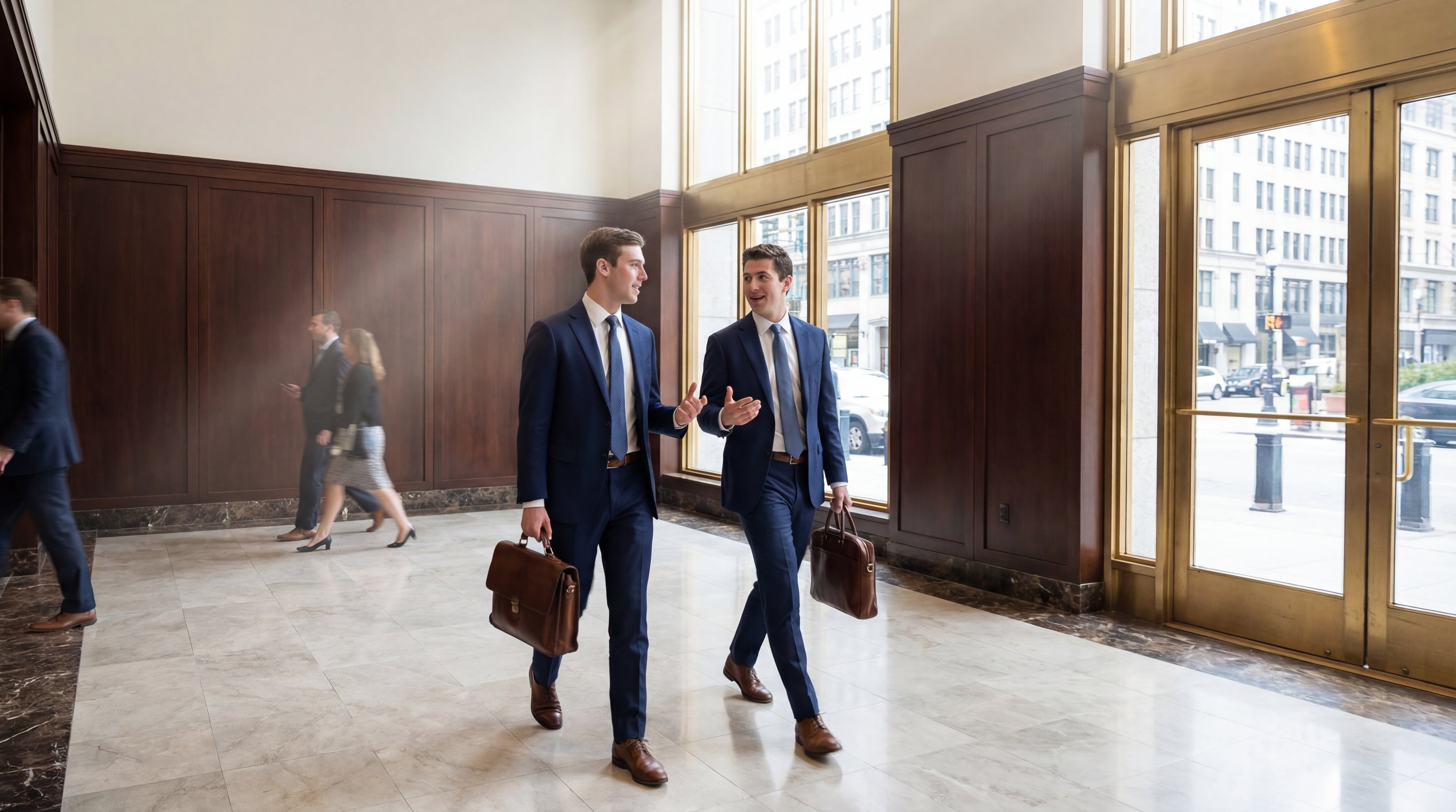
Here's the only rule that matters for investment banking interviews: you will never get dinged for being overdressed.
Superday nerves are enough. You're running between back-to-back interviews, trying to remember which MD asked about your deal experience and which one wanted to hear about your leadership qualities. The last thing you need is wardrobe stress on top of it.
Get the suit right once. Then forget about it and focus on what actually matters.
The Dress Code Hasn't Changed (Even If Day-to-Day Has)
Yes, Goldman Sachs went business casual. Yes, some analysts in the SF office wear Lululemon with a quarter-zip. Yes, JPMorgan relaxed their policy years ago.
None of that matters for interviews.
Interview dress code exists in a parallel universe from employment dress code. When you're trying to get in, you dress conservatively. You show you understand the game. You demonstrate that you can read a room and match expectations.
Once you're on the desk? Observe what everyone else wears and adapt. But on Superday, suit up.
The Suit: Non-Negotiable Specs
Color: Navy or Charcoal
That's it. Those are your options.
Not black—that's for funerals and evening events. Not light grey—too casual. Not pinstripes—you're not a senior banker yet, and you don't want to look like you're cosplaying as one.
Navy is the safest choice. Charcoal is equally acceptable. Pick one based on your skin tone: navy tends to work better with warmer complexions, charcoal with cooler ones. But honestly, either works for everyone.
Fabric: Wool
Super 100s to Super 130s is the sweet spot. Wool drapes better than any synthetic, and it breathes better than you'd expect. You'll be walking between buildings, sitting in overheated conference rooms, standing up to shake hands every 30 minutes. Wool handles all of it.
Fit: This Is Where Most People Fail
A $600 suit that fits perfectly makes a better impression than a $2,000 suit that doesn't.
What "fits" means:
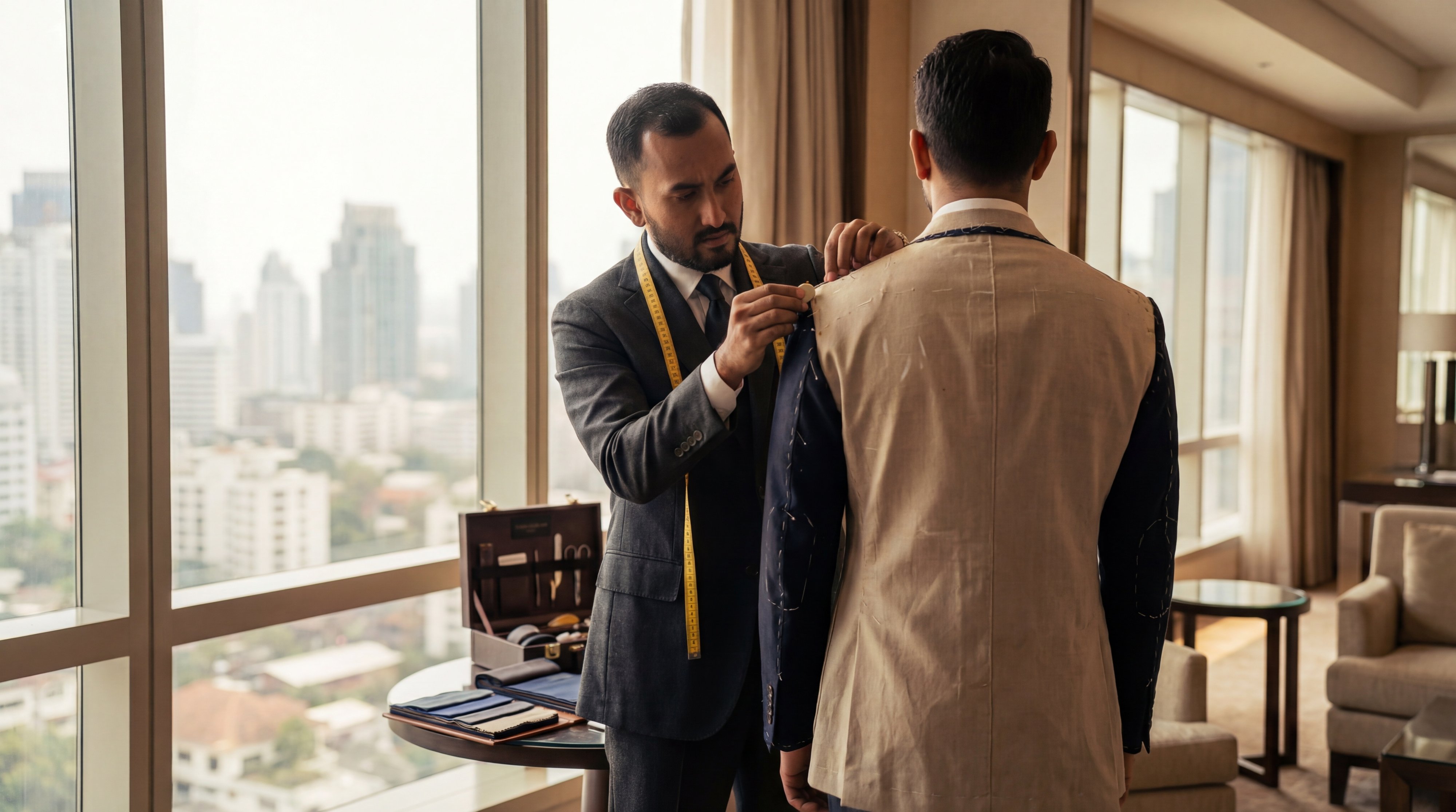
- Shoulders: The seam sits exactly where your shoulder ends. Not hanging off the edge, not pulling across your back.
- Chest: You can button the jacket without it pulling. One finger of room when closed.
- Length: The jacket covers your seat. Your arms hang naturally with a little shirt cuff showing.
- Trousers: Slight break or no break. No pooling at the ankles.
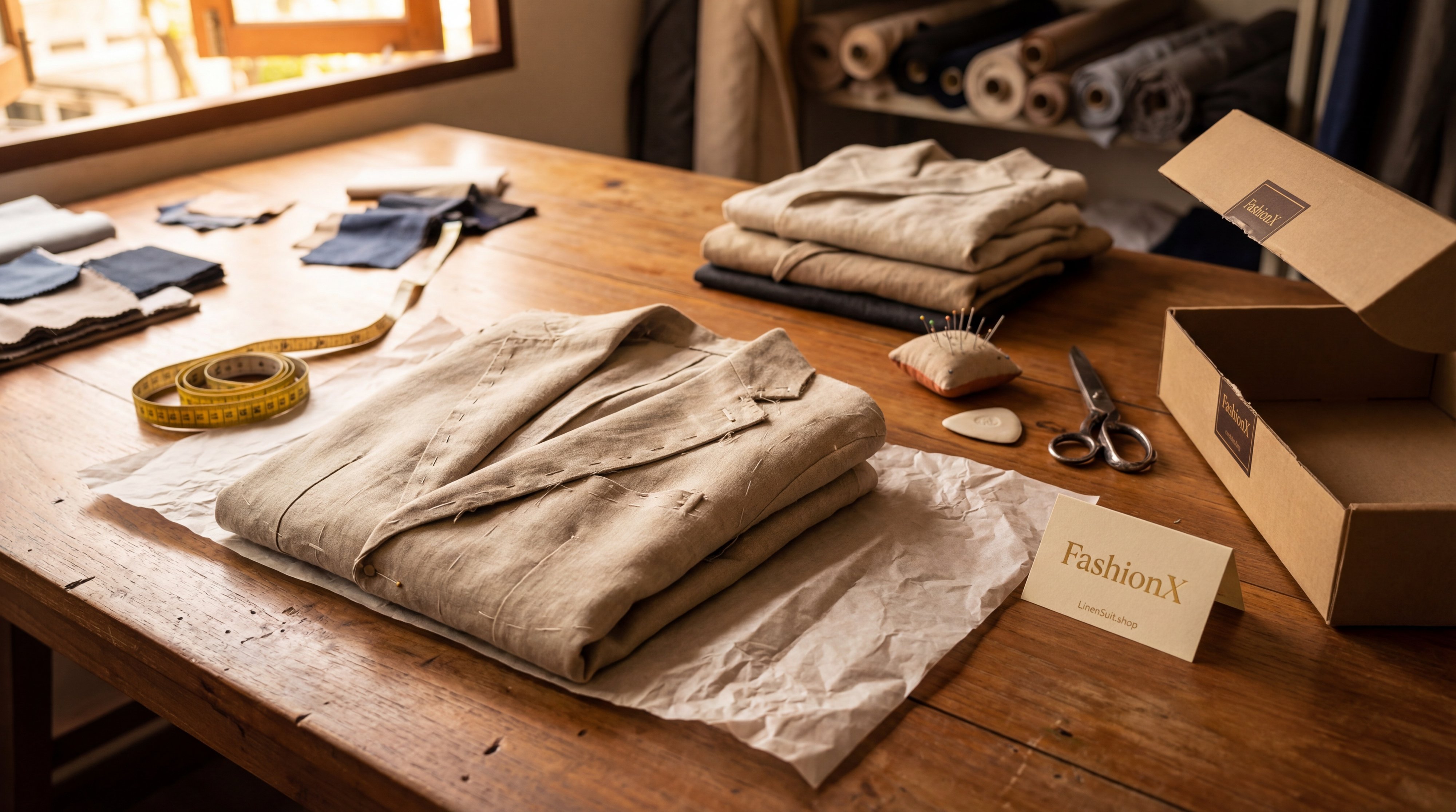
If your shoulders don't fit, no tailor can fix it without reconstructing the jacket. This is why off-the-rack is risky and why draft fitting exists—you verify the fit before the final fabric is cut.
The Rest of the Outfit
Shirt: White or Light Blue
Crisp. Pressed. No wrinkles. Button-down collar or spread collar—both work.
Avoid patterns for interviews. Avoid French cuffs unless you're interviewing for a senior role (and even then, keep the cufflinks simple). You're an analyst candidate, not a managing director.
Tie: Conservative
Solid colors: burgundy, navy, dark red, forest green.
Subtle patterns: small dots, quiet stripes, understated geometric.
Nothing loud. Nothing novelty. Nothing that makes someone remember your tie instead of your answers.
Shoes: Black Leather Oxfords
Not brown. Brown is fine once you're employed, but black is the interview standard for finance.
Oxford or Derby style. No loafers—too casual. No square toes—dated and unflattering.
Polish them. Actually polish them. Scuffed shoes undermine everything else you're wearing.
Belt: Match Your Shoes
Black leather belt with a simple buckle. Done.
Watch: Minimal
If you wear a watch, keep it simple. No smartwatches. No oversized chronographs. A clean face, leather or metal band, nothing flashy.
Or don't wear one at all. Nobody will notice either way.
What Not to Bring
Backpack: Leave it at the hotel. Carry a leather portfolio or a slim briefcase. You're interviewing for a professional role; look like a professional, not a student.
Pocket square: Skip it for interviews. Once you're on the job, observe what senior bankers wear and decide then. For now, clean and simple wins.
Cologne: Either none or barely detectable. You don't know who's sensitive to fragrance, and a conference room is a small space.
The $650 Suit That Beats the $1,500 Rack Pull
Here's the math most candidates don't do:
Option A: Walk into a department store, find a suit close to your size, pay $800-1,500, then pay $100+ for alterations. End up with something that's "good enough" but still pulls slightly at the chest or gaps at the collar.
Option B: Order custom with draft fitting. Spend $650. Try on the test garment at home. Get adjustments made before the final fabric is cut. End up with something that fits like it was built for you—because it was.
The custom suit costs less and fits better. The only tradeoff is time: you need 3-6 weeks for the process.
See the full production timeline.
So if you're reading this with a Superday next week, this isn't your solution. But if you're recruiting next cycle, or you're a junior who wants to upgrade, the math favors custom.
The Interview-Ready Checklist
Night before:
- [ ] Suit pressed and hanging
- [ ] Shirt ironed
- [ ] Shoes polished
- [ ] Belt ready
- [ ] Tie selected
- [ ] Portfolio packed (copies of resume, notepad, pen)
Morning of:
- [ ] Check for lint, loose threads
- [ ] Confirm collar sits flat
- [ ] Make sure fly is zipped (seriously)
- [ ] Deep breath—you've got this
What About Women?
The same principles apply with different execution:
- Suit: Tailored pantsuit or skirt suit in navy, charcoal, or black
- Blouse: Solid color, not sheer, not low-cut
- Shoes: Closed-toe heels or polished flats
- Accessories: Simple jewelry, structured bag or portfolio
- Goal: Conservative, professional, forgettable in the right way
You want them remembering your answers, not your outfit.
After the Interview: Building the Rotation
Once you land the job, you'll need more than one suit. But you don't need to buy everything at once.
Start with:
1. Navy suit (your interview suit—already done)
2. Charcoal suit (second essential, works for everything)
3. Light grey suit (optional, for variety)
Three suits in rotation, properly fitted, will carry you through your analyst years without anyone noticing you're rewearing.
For fabric options beyond basic wool—linen for summer, tweed for casual client meetings—see our complete fabric range.
The Bottom Line
Investment banking interview dress code is simple: don't give them a reason to think about your clothes.
Navy or charcoal suit. White or blue shirt. Conservative tie. Black shoes. Clean, pressed, properly fitted.
The interview is about demonstrating you can think clearly under pressure, work harder than everyone else, and represent the firm to clients. Dress like someone who already belongs there, then prove you do.